Not available
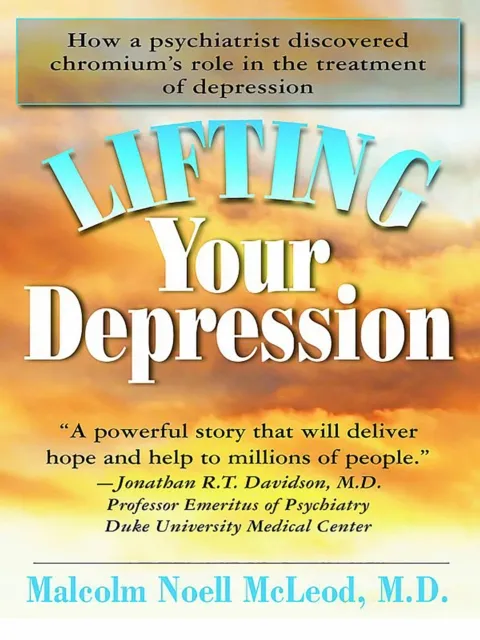
Lifting Your Depression
How a Psychiatrist Discovered Chromium's Role in the Treatment of Depression

Discovering a New Cause and Treatment for Atypical Depression
More than a decade ago, psychiatrist and psychoanalyst Malcolm McLeod discovered a new cause of and treatment for, the type of depression associated with carbohydrate cravings, weight gain, unexplained exhaustion and sensitivity to rejection. This type of disorder, known as atypical depression, begins early in life and can last a lifetime unless treated. Nearly half of all depressed people have this type of depression for which, up to now, there has been no effective treatment that is free of unwanted side effects.
Dr. McLeod's Breakthrough with Chromium
Dr. McLeod's discovery that chromium, an insulin-sensitizing trace mineral, was more effective and faster acting in some patients than even the strongest antidepressant drugs, ran counter to conventional wisdom. McLeod himself was initially sceptical. Yet, he was not able to dismiss the effects he had observed in his patients after taking chromium. He continued to carefully evaluate his patients' responses and let the evidence speak for itself. By piecing together hundreds of clues from therapy sessions with patients, results from his own single-blind studies and findings from an in-depth study of the medical and scientific literature on chromium, glucose metabolism and insulin resistance, Dr. McLeod eventually derived an explanation for chromium's powerful therapeutic effects. In the last several years, the medical and scientific communities have begun to confirm Dr. McLeod's pioneering findings.
Additional Resources and Tools
The book also includes questionnaires to determine if insulin resistance is the cause of readers' depression and resources for finding additional information on atypical depression and recommended products.