£12.48
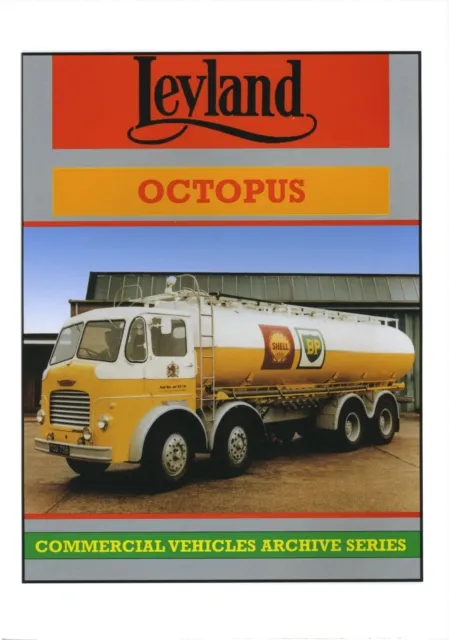
Leyland Octopus

Development and Early History
Rigid eight-wheelers with internal combustion engines were developed as a response to requirements and opportunities embedded in the 1933 Road and Rail Traffic Act. Although AEC was first in the field, in late 1934 or early 1935 Leyland was able to announce its Octopus.
World War II and Post-War Era
By the Second World War the Octopus had become a favourite with operators, known to carry a legal payload economically and reliably. After the war the driveline of the Octopus basically remained unchanged until 1960. Specification options were few, yet the model remained a market leader with lengthy waiting lists for new chassis. The model remained in production until the late 1970s and, as AEC authority Graham Edge writes, 'For most of its productive life the Leyland Octopus was the definitive British eight-wheeler lorry.'
Photographic Record and Production Details
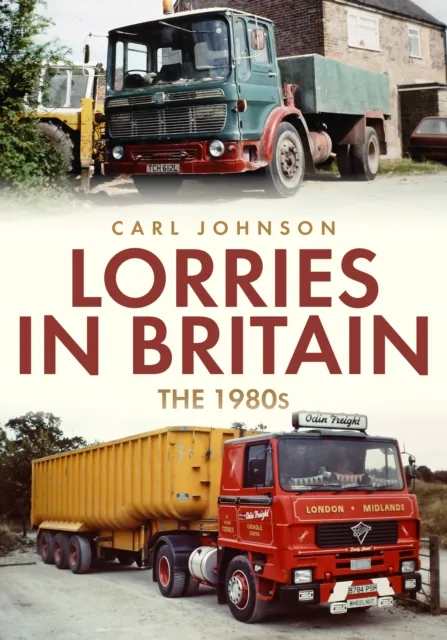
The many superb photographs in this book range from shots from the 1930s including what is probably the first Octopus chassis and a rare TEW tipper to 1979 and an Octopus 2 which started service that year with a compacting refuse body. The text covers the full production story, and there are Appendices which give chassis and engine details.