£41.99
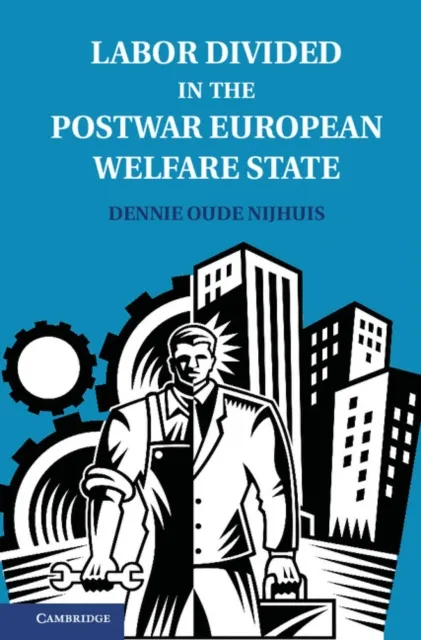
Labor Divided in the Postwar European Welfare State
The Netherlands and the United Kingdom

Overview
This book explains how the success of attempts to expand the boundaries of the postwar welfare state in The Netherlands and The United Kingdom depended on organized labor's willingness to support redistribution of risk and income among different groups of workers.
Historical Context
By illuminating and explaining differences within and between labor union movements, it traces the historical origins of ''inclusive'' and ''dual'' welfare systems.
Implications
In doing so, the book shows that labor unions can either have a profoundly conservative impact on the welfare state or act as an impelling force for progressive welfare reform.
Research Foundations
Based on an extensive range of archive material, this book explores the institutional foundations of social solidarity.