£17.99
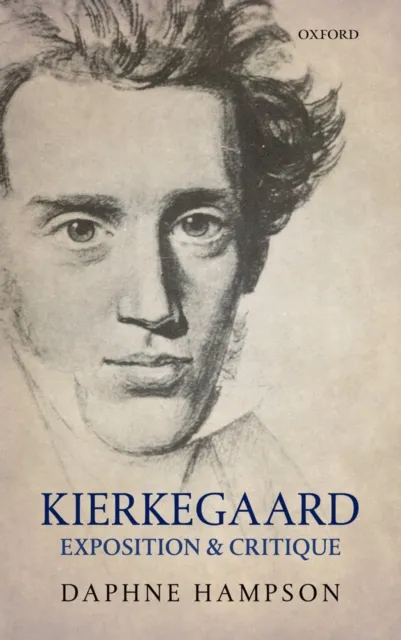
Kierkegaard
Exposition & Critique

Introduction to Kierkegaard
Kierkegaard is a fascinating author. Living shortly after the dawn of modernity in the Enlightenment, he restates classical Christianity in novel and dynamic fashion. His Lutheran heritage is pivotal here as he places faith over against reason. But we should recognise that decidedly pre-modern epistemological presuppositions lie behind Kierkegaard's theological contentions, giving us pause for thought.
Kierkegaard's Thought and Style
A profound thinker with eclectic interests, philosophical, theological, ethical, social and pastoral, Kierkegaard never ceases to engage the reader. His insights into human life - the matter of coherence of the self, the crucial category of the individual, or the significance of choice - are memorable. A fine writer with observant eye, Kierkegaard enthrals the reader with his flair, perspicacity and ready wit.
Structure of the Book
After an initial chapter on Kierkegaard's intellectual milieu, the book considers seven of his major texts. An Exposition, with extensive quotation, sets the text in philosophical, theological and historical context. Following which a Critique raises issues, ranging from Kierkegaard's indifference to biblical scholarship, to his lack of recognition of the regularity of causation, and his a-political outlook. A final chapter considers Kierkegaard as a person and evaluates the authorship.
Reception and Significance
Lucidly written, Hampson's book provides a general introduction to Kierkegaard, while greatly aiding novice readers of his texts. It should also command the attention of scholars, for its forthright debate with Kierkegaard and for illuminating, as has no previous work, his Lutheran thought forms. Provocative and original, it will leave its mark on Kierkegaard scholarship, while raising seminal questions for the wider theological enterprise.