£3.99
Justice for Wards Cove

Summary of the Case
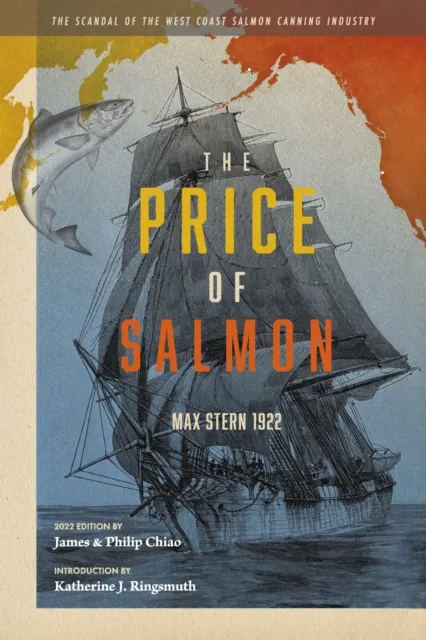
The book tells the story of a highly controversial civil rights case which involved the Alaska salmon industry. That industry is an intense summer operation in mostly remote wilderness. The participants were drawn from a wide range of sources: Natives who had harvested salmon for centuries, Italian, Croatian and Scandinavian fishermen and Asians who historically manned the canning lines. The unskilled cannery work was supplied by a predominantly Filipino controlled union.
Legal Proceedings
In the early 1970s young activist members of that union initiated a class action suit against Wards Cove Packing Company contending that minority employees were segregated into separate housing and messing and excluded from better paying jobs. The plaintiffs lost the case at trial to the surprise of many and multiple appeals followed. The Supreme Court in a 5-4 decision, over a bitter dissent, ruled in favor of Wards Cove holding that discrimination had not been proven by either the class of workers or by any single worker.
Aftermath and Impact
The high courts decision was roundly criticized in the press and academia and Congress attempted to intervene. The executive branch became an advocate, first as a party, and later as a friend of the court but changed sides after an election. The case tested the boundary of separation of powers but ultimately the Supreme Court found a way to insulate its decisional process from Congressional interference.
There has been a lingering misunderstanding of the case in the media. It has been recently re-enacted as a denial of justice and it has been described by some academics as the death knell of the civil rights movement. This book explains how the plaintiffs lost the main event at trial and how multiple appeals heard by 27 judges did not change the facts as found by the trial court as to what actually happened.