£19.99
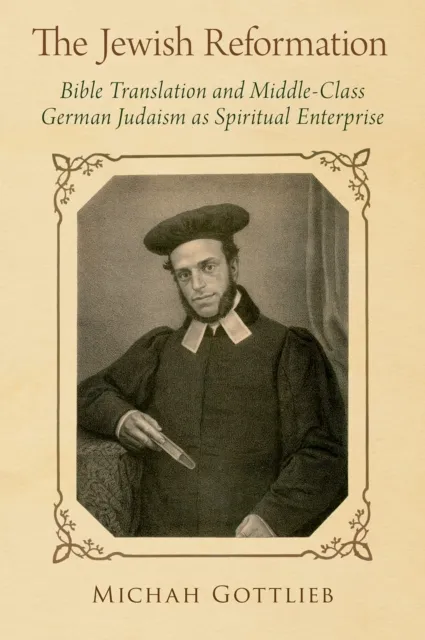
Jewish Reformation
Bible Translation and Middle-Class German Judaism as Spiritual Enterprise

Historical Context and Jewish Middle Class
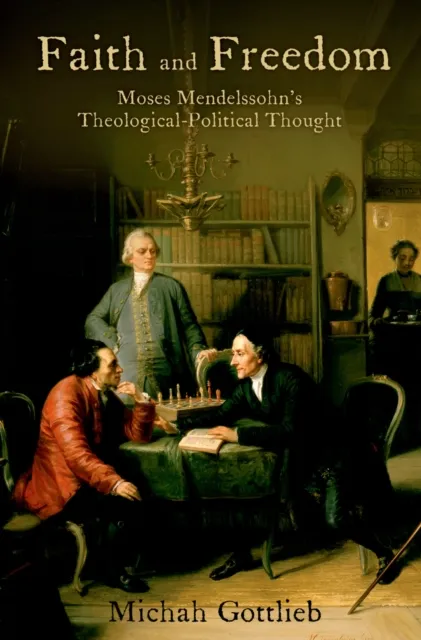
In the late eighteenth century, German Jews began entering the middle class with remarkable speed. That upward mobility, it has often been said, coincided with Jews'' increasing alienation from religion and Jewish nationhood. In fact, Michah Gottlieb argues, this period was one of intense engagement with Jewish texts and traditions.
Bible Translation as a Cultural Expression
One expression of this was the remarkable turn to Bible translation. In the century and a half beginning with Moses Mendelssohn''s pioneering translation and the final one by Martin Buber and Franz Rosenzweig, German Jews produced sixteen different translations of at least the Pentateuch.
Scholarly Perspectives on Bible Translations
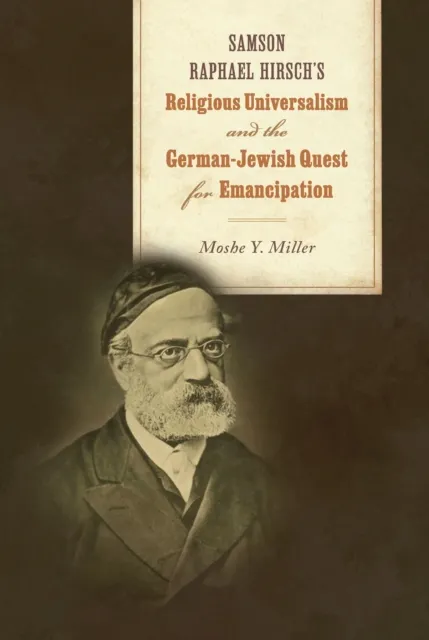
Exploring Bible translations by Mendelssohn, Leopold Zunz, and Samson Raphael Hirsch, Michah Gottlieb argues that each translator sought a "reformation" of Judaism along bourgeois lines, which involved aligning Judaism with a Protestant concept of religion.
Critiques and Visions of Middle-Class Judaism
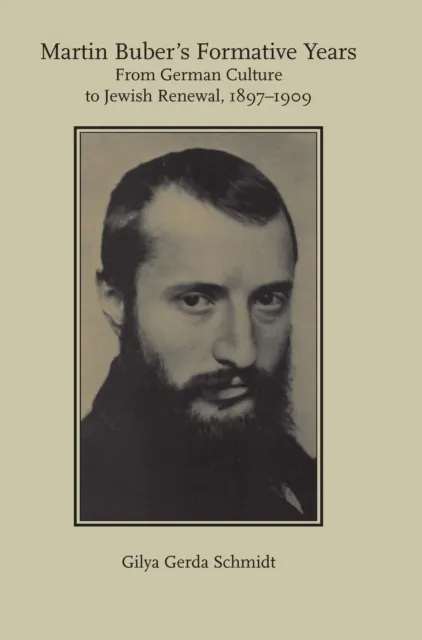
Buber and Rosenzweig famously critiqued bourgeois German Judaism as a craven attempt to establish social respectability to facilitate Jews'' entry into the middle class through a vapid, domesticated Judaism. But Mendelssohn, Zunz, and Hirsch saw in bourgeois values the best means to serve God and the authentic actualization of Jewish tradition.
The Impact of Bible Translations
Through their learned, creative Bible translations, these scholars presented competing visions of middle-class Judaism that affirmed Jewish nationhood while lighting the path to a purposeful, emotionally-rich spiritual life grounded in ethical responsibility.