£29.99
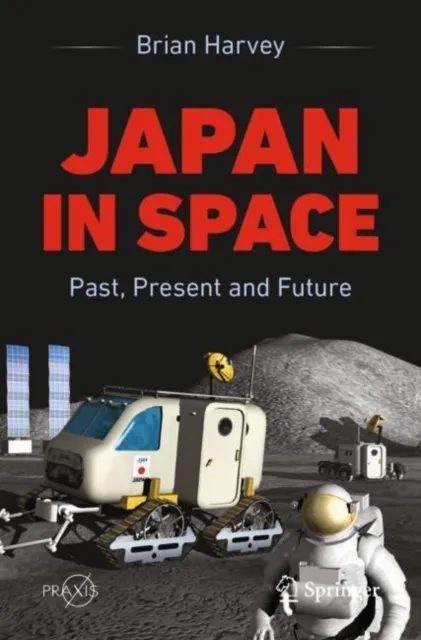
Japan In Space
Past, Present and Future

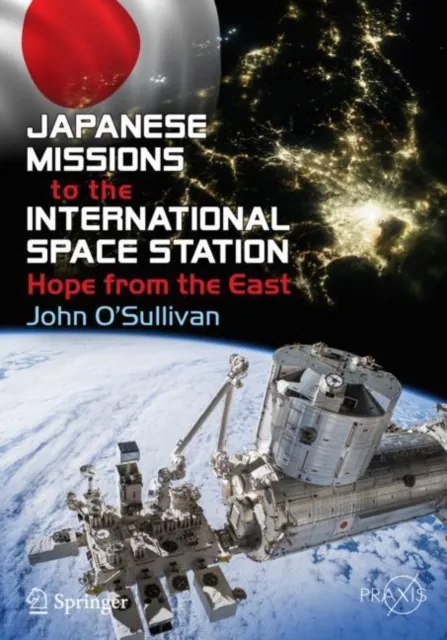
Guided by genius engineer Hideo Itokawa, Japan’s space program began with small scientific satellites more than 50 years ago. Since then, its space probes have travelled to the Moon, Venus, the asteroids and even a comet. The country launched weather satellites to warn of typhoons, communications satellites to connect the Japanese archipelago and remote sensing technology to observe the Earth and warn of climate change. Engineering technology satellites became the basis of Japan’s electronic industry as Japanese astronauts flew into space, working on their Kibo module on the International Space Station.
Now, Japan is one of Asia’s leading space powers, alongside China and India, vying for influence in the region. Its solid and liquid-fueled rockets are estimated to be among the most advanced and reliable in the world, its technology among the best. This book examines the history of Japan’s space program, the country’s current state of development and its future. It describes the extensive infrastructure that has gone into the forging of Japan’s picturesque oceanside launch sites, training centers, testing facilities and tracking stations. This book also outlines the politics of space in Japan, financial difficulties, its space industry, the symbiotic relationship with the United States and the recent sharp change-of-course to invest in military satellites.