£9.09
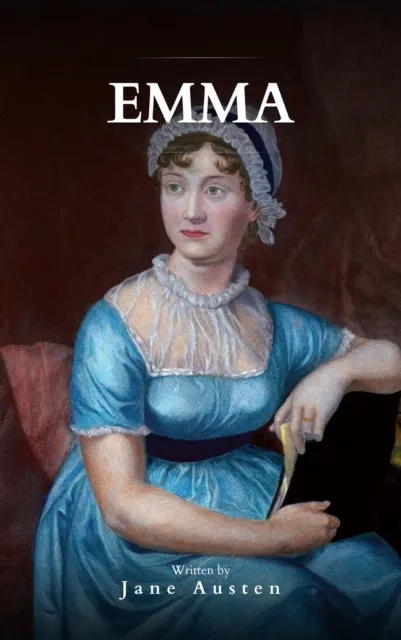
Jane Austen's Emma
Philosophical Perspectives

What has Emma Woodhouse, "handsome, clever, and rich, with a comfortable home and very little to distress or vex her" to say to a discipline like philosophy?
How is a novel like Emma, inaccurately but not infrequently caricatured as a high-toned version of a pedestrian romance, to supply material for philosophical insight or speculation? Jane Austen's Emma is many things to many readers but it is as inaccurate as it is reductive to consider it just a romance. The minutia of daily living on which it concentrates permit not a rehearsal of platitudes, but a closer look at human emotions and motives, as well as the opportunity to hone our interpretive and empathetic skills.
Emma flies in the face of conventional notions of femininity by presenting a heroine with hubris. It shows how friendships can affect one's ways of dealing with the world, how shame can reconfigure self-understanding, how gossip functions in sustaining a community.
Emma rehabilitates conceptions of romance by rejecting melodrama in favor of naturalism. It explores the waywardness of the imagination and the myriad ways in which different people with different biases and agendas may evaluate the same evidence. It dwells on the limits of autonomy in that it explores the ease with which one may submit to the will of another.
Emma is not itself a work of philosophy. Rather, it leads us to think philosophically. In this volume, a myriad group of scholars and philosophers explore the philosophical resonances of Emma.