Not available
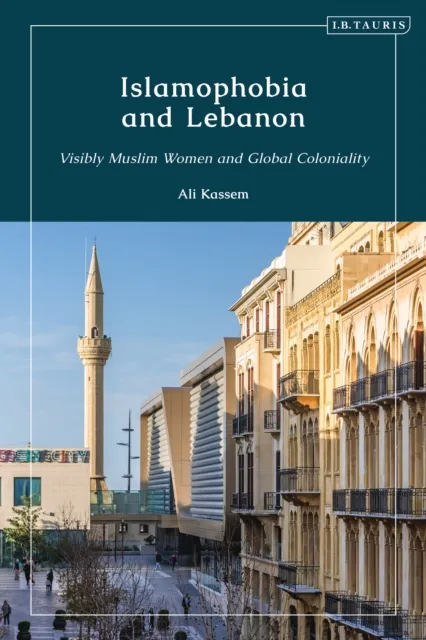
Islamophobia and Lebanon
Visibly Muslim Women and Global Coloniality

Overview
Thinking through anti, post, and decolonial theories, this book examines, analyses, and conceptualises ''visibly Muslim'' Lebanese women's lived experiences of discrimination, assault, wounding, and erasure.
Research and Context
Based on in-depth research alongside over 100 Sunni and Shia participants between 2017 and 2019, it situates these experiences at the intersection of the local and the global and argues for their conceptualisation as a form of structural and lived anti-Muslim racism.
Comparative Analysis
In doing this, it discusses the convergences and divergences of anti-Muslim racism in Lebanon with anti-Muslim racism in other parts of both the global north and the global south.
Production and Spheres of Racialisation
It examines the production of this racialisation as well as its workings across spheres of public, private, work, and state – including an analysis of internalised self-hate.
Resistance and Possibilities
It further explores various forms of resistance and negotiation and the contemporary possibilities and impossibilities of working beyond the epistemic framework of Eurocentric modernity.
Significance
As the first in-depth and extensive study of anti-Muslim racism within Muslim-majority and Arab-majority spaces, it offers an urgent and timely redress to multiple gaps and biases in the study of the Muslim-majority and Arab-majority worlds as well as racialisation broadly and Islamophobia specifically.