£3.99
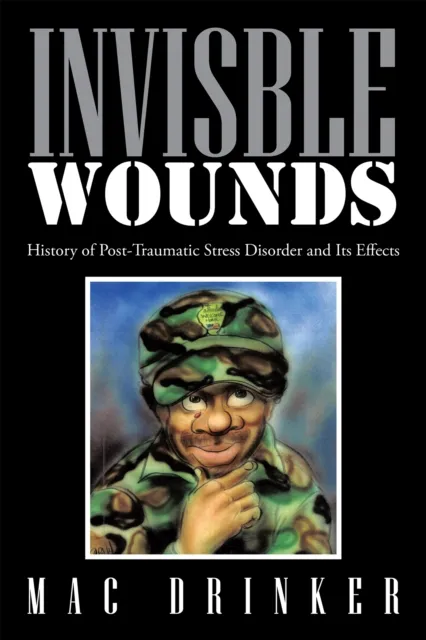
Invisble Wounds
History of Post-Traumatic Stress Disorder and Its Effects

Introduction to Post Traumatic Stress Disorder
The author provides some of the earliest research of post traumatic stress disorder and its origins. Jean-Martin Charcot and Sigmund Freud's research on homeless women provided the first clinical diagnoses of people who had been abused or traumatized. Charcot and Freud called the diagnosed disorder hysteria, which carried similar symptoms to today's post traumatic stress disorder.
Historical Treatment Models
Charcot and Freud's studies also provided a treatment model which they called talking therapy and later psychotherapy.
Current Diagnostic Criteria
The major view of this writing provides the characteristic features and criterions described in the DSM IV, the diagnostic and statistical manual of mental disorders.
Content Overview
There are 20 chapters in the text that provide information on post traumatic stress disorder as it relates to ethnicity, policies and politics, current issues related to families in treatment of substance abuse, domestic violence and its effects on youth behavior and crime and society.
There are also suggested hypothetical examples of a research module for post traumatic stress disorder for future references regarding substance abuse.
Purpose and Focus
The intention of this writing is to provide enough information to bring forth invisible wounds for clear diagnosis. Although some mental health disorders are clearly noticeable (i.e., depression, anxiety, panic attacks, dissociative disorders), others may not be so obvious.
The text describes how once triggered, the symptoms become a recurring cycle until treated. Therefore, to ensure veterans are properly assessed, the text implies an understanding of the dynamics of post traumatic stress disorder, uncovering the veil and opening up clear communication to assist veterans and practitioners.