Not available
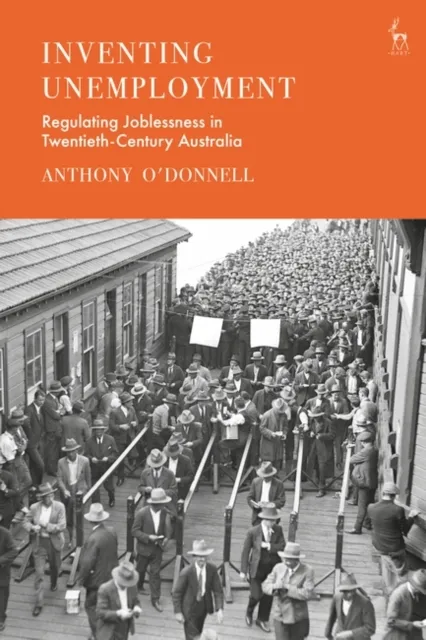
Inventing Unemployment
Regulating Joblessness in Twentieth-Century Australia

Introduction
This book examines the evolution of Australian unemployment law and policy across the past 100 years. It poses the question How does unemployment happen?. But it poses it in a particular way. How do we regulate work relationships, gather statistics, and administer a social welfare system so as to produce something we call unemployment? And how has that changed over time?
Attempts to sort workers into discrete categories – the employed, the unemployed, those not in the labour force – are fraught, and do not always easily correspond with people's working lives. Across the first decades of the twentieth century, trade unionists, statisticians and advocates of social insurance in Australia as well as Britain grappled with the problem of which forms of joblessness should be classified as unemployment and which should not. This book traces those debates. It also chronicles the emergence and consolidation of a specific idea of unemployment in Australia after the Second World War. It then charts the eventual unravelling of that idea, and relates that unravelling to the changing ways of ordering employment relationships.
Challenging Preconceptions
In doing so, Inventing Unemployment challenges the preconception that casual work, self-employment, and the gig economy are recent phenomena. Those forms of work confounded earlier attempts to define unemployment and are again unsettling our contemporary understandings of joblessness. This thought-provoking book shows that the category of unemployment, rather than being a taken-for-granted economic variable, has its own history, and that history is intimately related to our changing understandings of employment.