£120.10
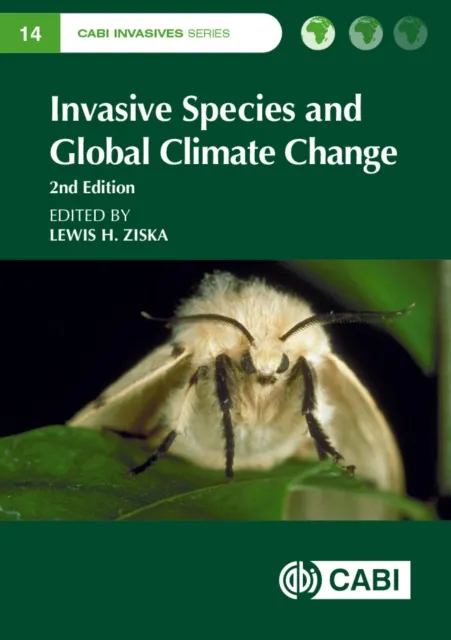
Invasive Species and Global Climate Change

Overview
This book addresses topics related to the impact of invasive species including biosecurity, demographics, species diversity and food security. It is meant for researchers, upper-level students, and policy makers and provides a factual basis for the underlying science and a discussion of that information with respect to current and future impacts and possible solutions.
Key Topics
The book explores the nexus of climate change and biological invasions, resulting impacts (biological and economic) and assesses ways to reduce vulnerability and increase the resiliency and sustainability of managed and unmanaged ecosystems.
Structure
The book has three parts, focusing on: (1) the dimensions of the problem; background and science; (2) case studies; (3) Management: detection, prevention, control and adaptation.
Revised Edition
This revised edition examines a wide range of topics and regions, the underlying science, examples (case studies) from around the world, and ways and means to recognize, manage and control the consequences. It includes new cases and new threats; for example, a chapter summarizing case studies regarding climate change and invasive species that are also disease carriers (e.g. ticks and Lyme disease).
Highlights
- Covers a wide range of topics and areas
- Examines the synergy between invasive species and climate change
- Explains options to control and mitigate effects
Intended Audience
This book is of interest to academics, researchers and students studying climate change and invasive species. Those interested in the environment and ecology, land managers, policy makers, agronomists, federal and state departments of natural resources, climate change activists, public health professionals.