£99.50
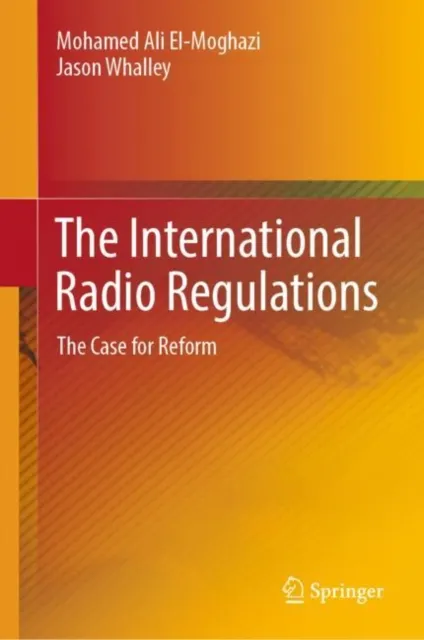
International Radio Regulations
The Case for Reform

Introduction to the ITU Radio Regulations
This book provides an in-depth introduction to the International Telecommunication Union (ITU) Radio Regulations (RR) and the policies that govern them. Established in 1906, these regulations define the allocation of different frequency bands to different radio services, the mandatory technical parameters to be observed by radio stations, especially transmitters, and the procedures for spectrum use coordination at the international level.
Analysis of Spectrum Management and Policy
The book analyzes the interactions between different national policies and the ITU RR, noting how these interactions influence spectrum policy on the national level, setting up a comparative framework within which to view these regulations and their effects. Beginning with an overview of the history of the origins ITU RR, the book takes a deep dive into the components of spectrum management including radio communication service allocation, wireless technology selection, radio usage rights, and spectrum rights assignment, placing each analysis within the context of the push and pull between national and international regulations. The book concludes with chapters discussing issues affecting the future of spectrum policy, including spectrum policy reform in developing countries, the WRC-19, and IMT-2020.
Shedding light on the longest-running treaty documents in the history of modern telecommunications and arguing for reforms that allow it to address the needs of all nations, this book is useful to scholars and students of telecom policy, digital policy, ICT, governance, and development as well as telecom industry practitioners and regulators.