£139.50
Interfaces in Lithium-Ion Batteries

Introduction to Interfaces in Lithium-Ion Batteries
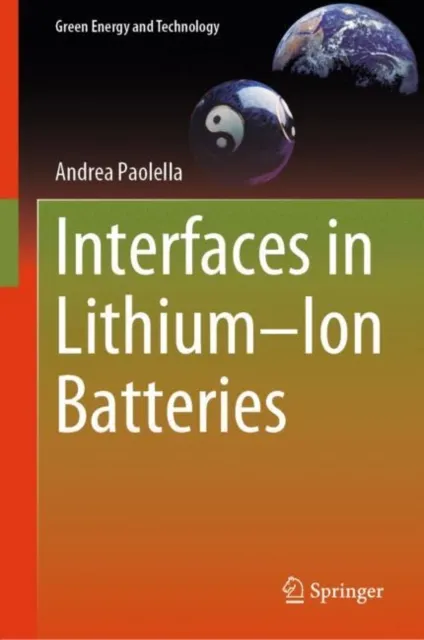
This book explores the critical role of interfaces in lithium-ion batteries, focusing on the challenges and solutions for enhancing battery performance and safety. It sheds light on the formation and impact of interfaces between electrolytes and electrodes, revealing how side reactions can diminish battery capacity. The book examines the nanochemistry of these reactions, emphasizing their profound influence on overall battery properties. It highlights the urgent need for battery material scientists to develop new additives and chemistries to address these interface-related issues, which have significant industrial implications.
Evolution of the Solid Electrolyte Interface (SEI)
After providing a fundamental understanding of Li-ion batteries, the book analyzes the evolution of the solid electrolyte interface (SEI) by considering various negative electrode materials such as graphite, silicon, lithium metal, and anode-less configurations. It also explores the chemistries of cathode materials, including their decomposition and methods to mitigate unwanted oxidation.
Solid-State Batteries and Emerging Chemistries
Furthermore, the book discusses the growing interest in solid-state batteries as a future technology, focusing on the reactivity of polymeric and ceramic solid electrolytes with anodes and cathodes, which presents additional challenges at the interface level. Finally, it addresses the specific challenges associated with emerging chemistries like Li-S and Li-air batteries, providing insights into polysulfide formation and LiOH conversion.