£99.99
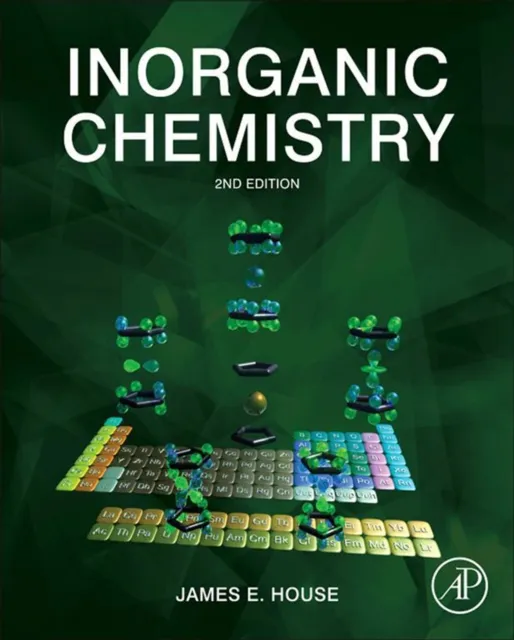
Inorganic Electrochemistry
Theory, Practice and Application

Introduction
In order to understand the basic aspects of an electrochemical investigation on inorganic molecules (in its widest meaning, of any molecule which contains at least one metal centre) it must be taken into account that in these molecules the metal-ligand bonds are of the prevailingly covalent type. Since electrochemical techniques allow you to add or remove electrons in a controlled manner, it is conceivable that the addition or removal of electrons inside these molecules can lead to the formation of new bonds or to the breakage of existing bonds.
Purpose of the Book
The main aim of this book is to study the effects of such electron addition and removal processes on the molecular frames. The second edition of this classic book has been fully revised and updated and is a straightforward, logical introduction to electrochemical investigations for inorganic chemists.
Content Highlights
All chapters have been rewritten with new material including: the addition of reactivity with nitric oxide to the chapter on the reactivity of metal complexes with small molecules, thiolate-protected gold nanoclusters has been added to the chapter on metal-sulfur and metal-carbonyl clusters, a new chapter on the digital simulation of electrochemical responses, a new chapter on the theoretical calculations to explain the nature of the electrochemical activity of metal complexes, new chapters on spectroelectrochemistry and electrochemiluminescence.
Scope and Audience
The book covers every aspect of inorganic electrochemistry - the introduction is followed by chapters on the basic aspects of electrochemistry followed by practical and applicative aspects and ends with full appendices. It is probably the only publication with a simple approach to electrochemical aspects of the topics in inorganic chemistry. Bridging the gap between undergraduate and research-level electrochemistry books, this publication will be a welcome addition to the literature of inorganic chemists. It will also be particularly useful to final year students in chemistry and as background reading for graduates and researchers without adequate electrochemical knowledge to become active in the discipline or who want to collaborate with electrochemists.