£24.99
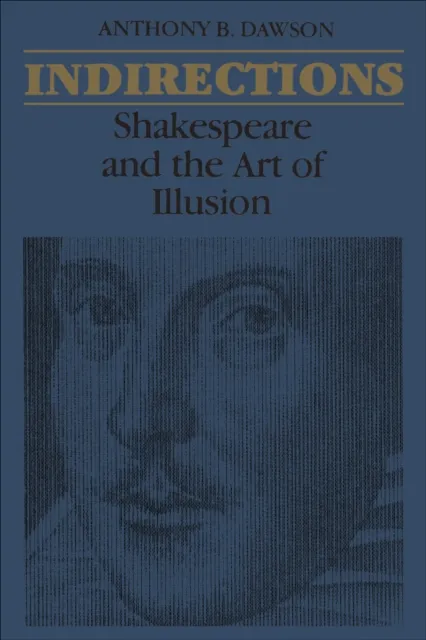
Indirections
Shakespeare and the Art of illusion

Introduction
The precise relation between the spectator and the work of art was a matter of great interest to late Renaissance and baroque artists, playwrights as well as painters. In Shakespeare's plays the relation between audience and stage life is crucial. The plays constantly remind the audience of the complex fictiveness of their experience yet they also project a reality specifically through illusion. Indirections is a study of twelve plays in which Shakespeare sets up situations and relationships between the characters analogous to the relationship established between audience and play.
Analysis of Illusion in Shakespeare's Plays
This book examines the varied uses of illusion, deceit, disguise, and manipulation in the plays, both comedies and tragedies, and traces Shakespeare's use of illusion through his career — from the buoyant optimism of the great comedies and the ambiguity of the middle years to the new richness and power in the romances.
Characters and Audience Response
Dawson suggests that the way characters respond to illusory situations sets up a model for the way audiences are meant to respond to the play themselves. Such action at least initially establishes a basis for the movement of characters from self-delusion to self-knowledge. This process of self-realization enables the characters to distinguish truth from appearance, love from infatuation; and significantly, it is a direct result of involvement with illusion and role-playing. It is as if the characters must arrive, within the movement of the plot, at an understanding of, and response to, the nature of drama itself parallel to the audience's experience of the play as a whole. This subtle interplay between audience and characters, where each in a sense represents the other, depends for its life on the physical and psychic distances created by the theatre.