£99.99
India's Energy Security: Challenges And Concerns

India's Energy Profile and Challenges
As a country with a population of 1.3 billion, energy security is a critical problem faced by India. The study on India's energy profile, various end use sectors and its choices, challenges and green options are significant factors for a sustainable future of India. Even today, India's 70% of energy mix is depended upon fossil fuel resources. The resulting environmental hazards and human security are countless. In the global level, India is third in the case of carbon emission and primary energy consumption, even though several people still have no access to electricity and most of the rural people are using traditional biomass for cooking.
Access to energy without any supply disruption is considered an integral factor of national security, and every nation tries to maintain its energy security. But during this journey to fulfill the target, several issues are neglected and side-lined. Environmental issues are primary among such issues as they especially lead to climate change, pollution of all kinds, risks to biodiversity, etc. Health concerns of human beings and livelihood and displacement issues of certain societies also emerge from the search for energy security.
So, we need to understand the ill-effects of present-day energy consumption patterns and engage in positively changing towards a green and clean energy future. Nationalized as well as decentralized renewable energy programs will help to accomplish our domestic energy needs. Green energy can provide a brighter future with a clean environment for the next generations. Access to clean and modern energy will improve the environment, health, and overall development of individuals and society.
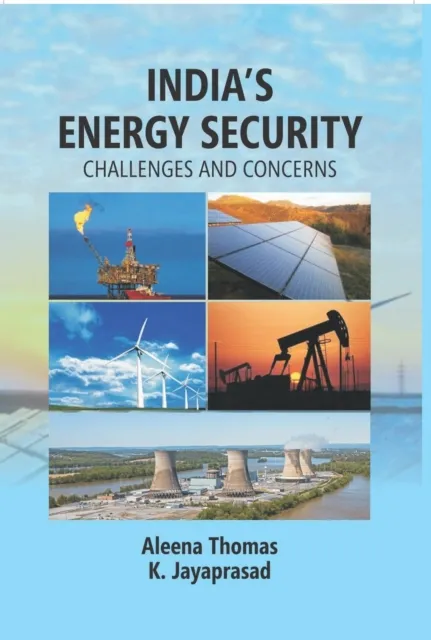
The book presents the major challenges of India's energy landscape and the societal, human, and environmental security aspects of India's energy search and use. It delivers detailed information about India's energy profile, challenges, and prospects, making it particularly relevant to policymakers, politicians, energy specialists, students, and academics of Political Science, Energy Studies, and International Relations.