£109.50
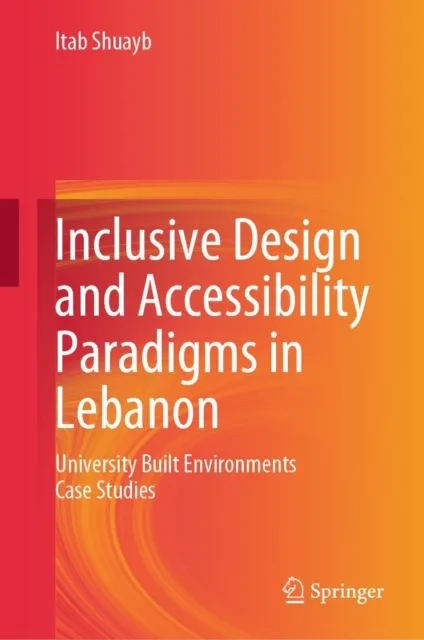
Inclusive Design and Accessibility Paradigms in Lebanon
University Built Environments Case Studies

Overview of the Disability Rights Movement
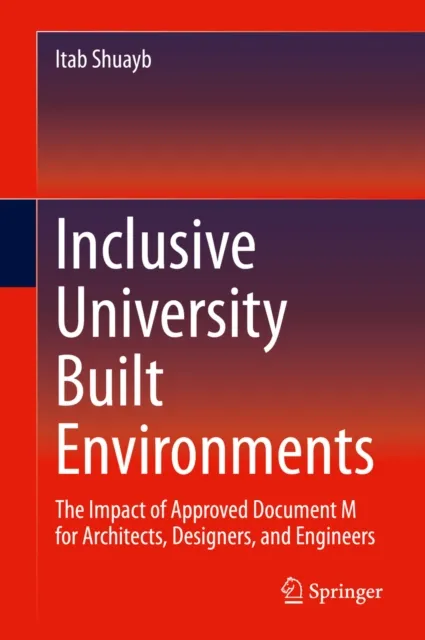
This book describes the disability rights movement that started in the USA and its influence on the disability rights movement in Lebanon, which has led to the endorsement of the Lebanese Disability Act 220/2000. The book introduces the reader to the Lebanese Disability Act 220/2000, its definition of disability, and its relation to the medical and social models of disabilities and then articulate the Act articles. Then, it defines the inclusive design paradigm that acknowledges the needs of all people at each stage of their life cycle and presents the difference between inclusive design and accessibility and disability notions.
Moreover, the book reviews the different international accessible design standards (American and French) that are adopted in Lebanon with the absence of a nationalized Lebanese design standard and its effect on eliminating barriers and enhancing accessibility at university buildings. Besides, the book presents students' experiences and their satisfaction with the university built environments. 6 university buildings case studies at the American University of Beirut are assessed and analysed to check whether they adopt the inclusive design approach and then propose inclusive design solutions for both heritage and modern university buildings.
What makes the book unique is its combination of empirical and theoretical application of inclusive design. The last section, reflects the author’s inclusive design teaching pedagogy. In this section, the author shares samples of students’ class design projects and provides recommendations and guidelines for teaching inclusive design so it becomes mainstream.