£44.99
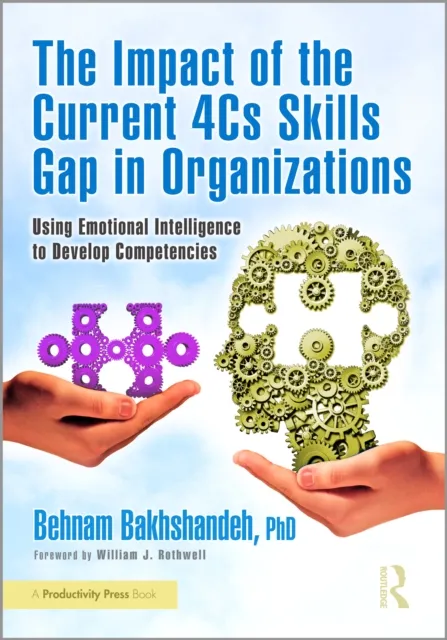
Impact of the Current 4Cs Skills Gap in Organizations
Using Emotional Intelligence to Develop Competencies

Skills Gap in the Workforce
The shortage of skills in the workforce is one of the major problems facing enterprises today. How American businesses and organizations intend to deal with these issues and operate in a global market under strong competition is one of their primary worries. The only logical and tangible solution to this issue is for the educational system and major businesses and organizations to begin making investments in educating more children and young adults in soft skills like the 21st-century 4Cs skills (critical thinking, communication, creativity, and collaboration) to prepare them to meet the challenges of emerging businesses and technologies.
The Importance of 4Cs Skills
The 21st century has witnessed a rapid transformation in the global workforce and the skills required to thrive in it. Traditional knowledge-based skills alone are no longer sufficient to succeed in today’s complex and dynamic business environment. Instead, organizations increasingly value what is known as the "4Cs" skills: communication, collaboration, critical thinking, and creativity. However, a significant skills gap exists, where many employees lack these crucial abilities. This book explores the impact of the 21st-century 4Cs skills gap in organizations and how it affects their performance, innovation, and competitiveness.
Challenges and Strategies
The 21st-century 4Cs skills gap poses a significant challenge for organizations across industries. The inability to communicate effectively, collaborate seamlessly, think critically, and foster creativity can hinder productivity, innovation, and competitiveness. As the business landscape continues to evolve, addressing this skills gap is not only a necessity but also a strategic imperative for organizations looking to thrive in the 21st century. Bridging the gap through training, recruitment, and a commitment to a learning culture will be essential for success in the increasingly complex and interconnected world of business.