£37.50
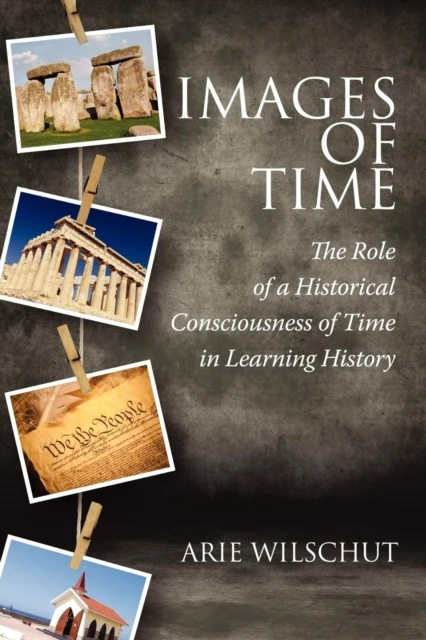
Images of Time
The Role of Historical Consciousness of Time in Learning

What makes history difficult to learn
What makes history difficult to learn is the fact that one has to travel in time. Studying events and circumstances from a time perspective different from our own is something that doesn't come naturally to people. It is an ability that has to be acquired.
Overview of the book's focus
This book discusses teaching and learning history from the perspective of passage of time. Time experiences exist in different shapes and dimensions, one of which is historical time. The specific characteristics of the kind of time are defined in this study, based on philosophical and psychological insights, as well as on theory of history. The differences with other kinds of time, such as daily time and social time, are outlined.
Key concepts of historical time
Six key concepts of historical time are then defined: chronology, periodization, relics, anachronism, contingency, and generations - meaning a specific way of dealing with the generations of our predecessors. The main issues for teaching historical thinking are described using these six categories. An inventory is made of what is known about them from existing research and what questions still need further investigation.
Empirical study on historical orientation
An empirical study is reported about the means students preferably use to orient in historical time: timelines and numbered years attached to events, or imaginative-associative contexts? It is demonstrated that images of time are the optimum means for historical orientation.
Historical consciousness and societal impact
An historical consciousness of time is essential to an open democratic society. The one-dimensional perspective of the present is broken up, it is shown that alternatives are possible, that the present is only the coincidental result of a contingent development and might have been totally different, and that the views held by people have changed, may change now and certainly will change in the future. All of this can enhance tolerance, open-mindedness and promote a healthy societal debate. This study provides insights into the kind of history teaching that might be helpful in developing this.