£7.99
Ideology Wars: Communism, Fascism & Democracy
Competing Political Systems and Global Conflict in the Twentieth Century, 1917-1991

The Ideological Competition of the Twentieth Century
The twentieth century witnessed ideological competition of unprecedented intensity as communism, fascism, and liberal democracy offered fundamentally incompatible visions for organizing society, economy, and state power. These systems clashed militarily, politically, and culturally across continents, shaping world wars, proxy conflicts, revolutions, and counter-revolutions that defined modern history and continue influencing contemporary politics.
Communism
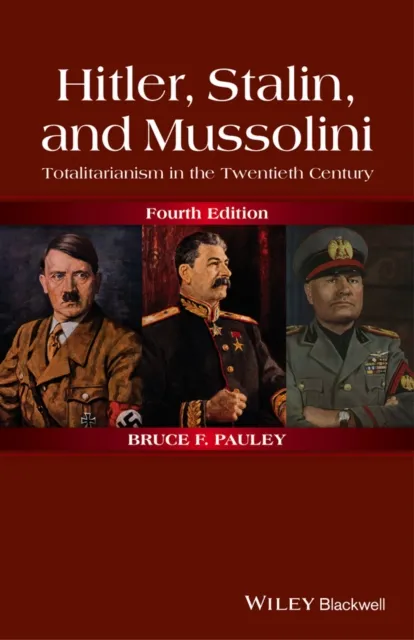
Drawing on party documents, diplomatic records, propaganda materials, and eyewitness accounts, the narrative examines each ideology's origins, core principles, and practical implementation. Communism emerged from Marxist theory promising proletarian revolution, collective ownership, and classless society. Lenin adapted Marx for Russian conditions, establishing single-party dictatorship justified as transitional necessity. Stalin's totalitarian rule industrialized the Soviet Union through forced collectivization and terror while exporting revolution internationally.
Fascism
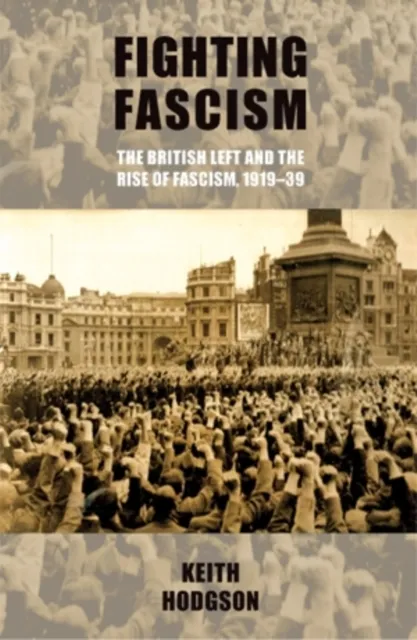
Fascism rejected both liberal democracy and communist internationalism, embracing ultranationalism, authoritarian leadership, corporatist economics, and militaristic expansion. Mussolini's Italy and Hitler's Nazi Germany demonstrated fascism's violent rejection of pluralism, scapegoating minorities while mobilizing masses through spectacle and propaganda. Japanese militarism shared fascist characteristics despite distinct cultural roots.
Liberal Democracy
Liberal democracy defended individual rights, constitutional limits on power, market economics, and political pluralism. Western powers struggled to maintain democratic institutions during economic depression and external threats. Cold War competition forced democracies to confront colonial legacies, civil rights failures, and economic inequality while resisting communist expansion.