£28.00
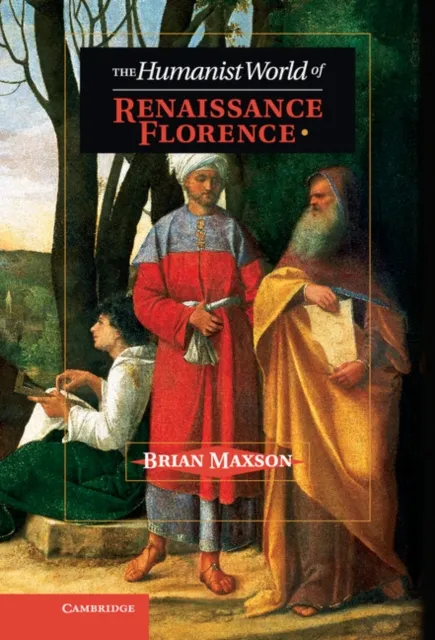
Humanist World of Renaissance Florence

Introduction
This book offers a major contribution for understanding the spread of the humanist movement in Renaissance Florence. Investigating the connections between individuals who were part of the humanist movement, Maxson reconstructs the networks that bound them together.
Reevaluating Humanist Categories
Overturning the problematic categorization of humanists as either professional or amateurs, a distinction based on economics and the production of original works in Latin, he offers a new way of understanding how the humanist movement could incorporate so many who were illiterate in Latin, but who nonetheless were responsible for an intellectual and cultural paradigm shift.
The Movement’s Broad Appeal
The book demonstrates the massive appeal of the humanist movement across socio-economic and political groups, and argues that the movement became so successful and widespread because by the 1420s–30s the demands of common rituals began requiring humanist speeches.
Impact and Dissemination
Over time, humanist learning became more valuable as social capital, which raised the status of the most learned humanists and helped disseminate humanist ideas beyond Florence.