£34.99
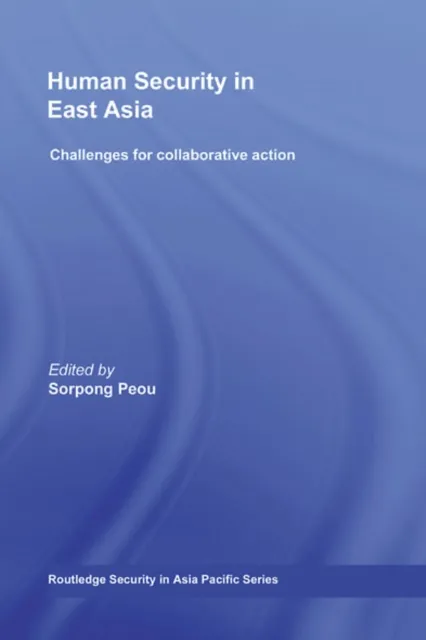
Human Security in East Asia
Challenges for Collaborative Action

Introduction
Since the end of the Cold War the number of interstate wars has remained relatively low, although whilst states may be more secure than ever this does not mean that individual human beings are too. This has led to a growing recognition of the importance of human security, in contrast to the traditional realist focus on state security. This book explores human security in East Asia, focusing in particular on the challenges to collaboration among actors involved in the process of human security promotion.
Theoretical Perspectives
It examines the theoretical complexities of conceptual arguments about human security, drawing on the ideas of scholars from Asia and the West, to provide a global perspective on what causes human insecurity and how security can best be achieved.
Case Studies
It considers in detail case studies of military interventions in East Asia, in particular East Timor, and assesses how successful collaborative efforts have been in providing human security. It also explores case studies of non-military intervention, including international criminal justice in Cambodia and East Timor.
Regional Dynamics
It discusses the relationship of regional great powers such as China and Japan to human security promotion, arguing that it will be better served if these powers engage less in the traditional game of geopolitics and if human security objectives do not work against actors' interests.
Challenges and Future Directions
It shows how interventions to uphold human security have not always succeeded to the extent that was hoped, despite the best of intentions, and considers how improved collaboration can be achieved, so that future interventions enjoy more consistent success.