£44.99
Human Resource Management and Digitalization

Digitalization and Industry 4.0
Digitalization is changing the world of work. Technology is shifting the relationship between workers and machines and how work is organized; new skills are becoming increasingly relevant in the workplace where workers no longer work for a single company, in 9-to-5 jobs, five days a week.
Industry 4.0, also known as the Fourth Industrial Revolution, is revolutionizing the way managers can design, control and improve their activities. While the nature of the tasks and the interdependences between individuals are changing, the impact of intelligent technologies is severely questioning the span of control of leaders and the effectiveness of their leadership styles.
The authors sketch out the main changes occurring in the business landscape and identify the new expectations that organizations are formulating for leaders across several industries. In an age in which new leadership models are about to emerge, they describe how the relevant changes impact and shape the managerial arena.
Relationship between HR and Technology
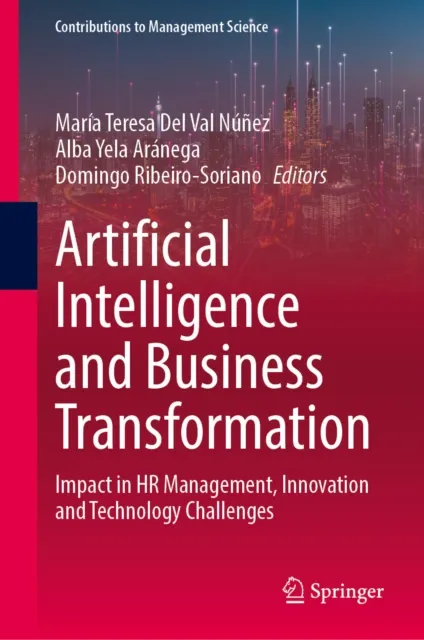
This book sets the stage for a new way of thinking on the nature of the relationship between HR and technology. It examines the influence of Industry 4.0 and Innovation 4.0, (i.e. the connection between physical and digital processes in industrial production, where human competencies and machine potential are strictly interconnected throughout the entire value chain), from a myriad of viewpoints: namely in terms of structures, practices, influences (learning, training and communication), competencies and roles. A chapter is also dedicated to the understanding of the impact of Innovation 4.0, in the context of European Universities through E-learning Experiences where a multiple-case study analysis is provided.