£64.99
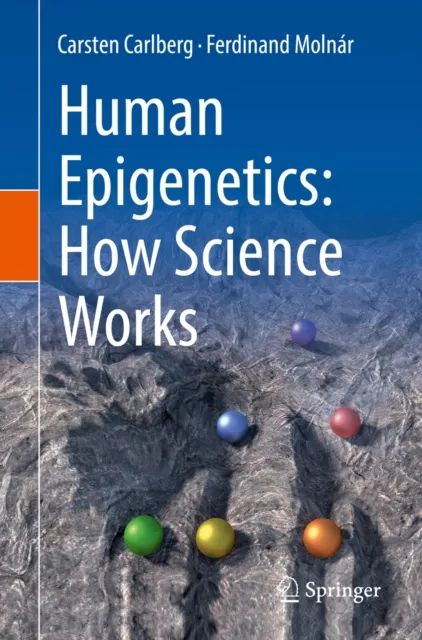
Human Epigenetics: How Science Works

Introduction to Epigenetics
The view “It’s all in our genes and we cannot change it” developed in the past 150 years since Gregor Mendel’s experiments with flowering pea plants. However, there is a special form of genetics, referred to as epigenetics, which does not involve any change of our genes but regulates how and when they are used. In the cell nucleus our genes are packed into chromatin, which is a complex of histone proteins and genomic DNA, representing the molecular basis of epigenetics. Our environment and lifestyle decisions influence the epigenetics of our cells and organs, i.e. epigenetics changes dynamically throughout our whole life. Thus, we have the chance to change our epigenetics in a positive as well as negative way and present the onset of diseases, such a type 2 diabetes or cancer.
Epigenetics and Its Role in Human Health
This textbook provides a molecular explanation how our genome is connected with environmental signals. It outlines that epigenetic programming is a learning process that results in epigenetic memory in each of the cells of our body. The central importance of epigenetics during embryogenesis and cellular differentiation as well as in the process of aging and the risk for the development of cancer are discussed. Moreover, the role of the epigenome as a molecular storage of cellular events not only in the brain but also in metabolic organs and in the immune system is described.
About the Book
The book represents an updated but simplified version of our textbook “Human Epigenomics” (ISBN 978-981-10-7614-8). The first five chapters explain the molecular basis of epigenetics, while the following seven chapters provide examples for the impact of epigenetics in human health and disease.