£1.46
£1.91
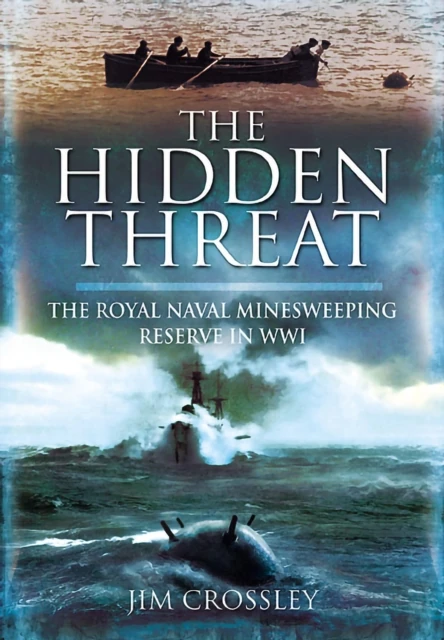
Hidden Threat
Mines and Minesweeping Reserve in WWI

It is not widely remembered that mines were by far the most effective weapon deployed against the British Royal Navy in WW1, costing them 5 battleships, 3 cruisers, 22 destroyers, 4 submarines and a host of other vessels. They were in the main combated by a civilian force using fishing boats and paddle steamers recruited from holiday resorts. This unlikely armada saved the day for Britain and her allies. After 1916, submarine attacks on merchant ships became an even more serious threat to Allied communications but submarines were far less damaging to British warships than mines.
Mines in WWI
Main cause of ship losses; The Konigin Louise; Loss of Amphion; The Berlin; Loss of Audacity; Losses in the Dardanelles; The Meteor; German mines and how they worked; Minefields - British and German; Fast minelayers; Submarine minelayers.
Formation of RNMR
Personnel and discipline; Sweeping technique and gear; Trawlers and drifters; Paddlers; Fleet minesweepers; Sloops.
Actions
East Coast and the Scarborough Raid; Dardanelles; Dover Straight; Mine Clearance
Some Typical Incidents
Mine strikes and Mine sweeping.
Statistics
Mines swept; Ships lost; Minesweepers lost.