£79.50
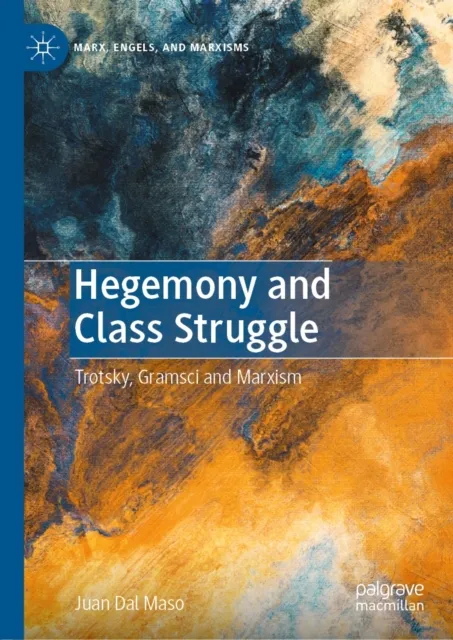
Hegemony and Class Struggle
Trotsky, Gramsci and Marxism

Introduction
Leon Trotsky and Antonio Gramsci are two of the most important Marxist thinkers of the 20th century. This book explores the similarities and the differences between their philosophical and political theories.
Trotsky’s Reflections on Hegemony
The first and second chapters deal with a still under-investigated aspect of Trotsky’s thought, i.e. his reflections on the issue of hegemony.
Gramsci’s Critique of Trotsky
The third chapter focuses on Gramsci’s critique of Trotsky in his Prison Notebooks, analysing Gramsci’s knowledge of Trotsky’s positions as well as the scope and limits of Gramsci’s critique.
Critical Rereading and Analysis
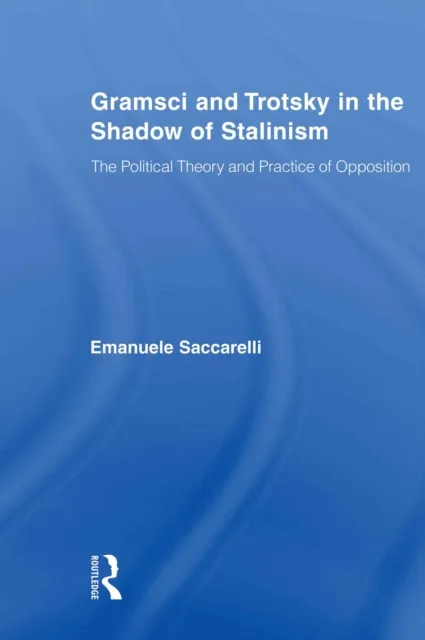
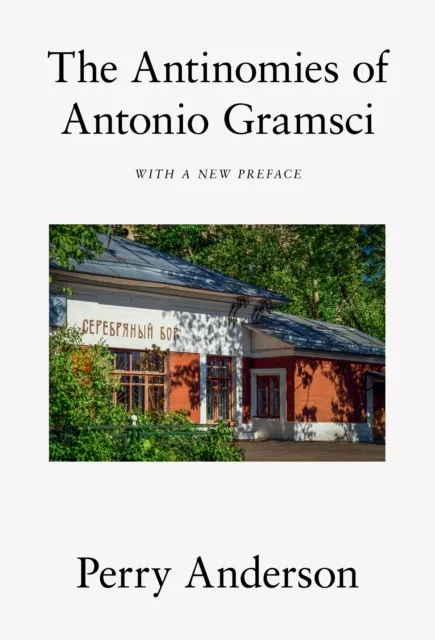
The fourth chapter consists of a critical rereading of Perry Anderson's essay Antinomies of Antonio Gramsci, originally published in 1976 and republished in 2017, and an analysis of the book Gramsci and Trotsky in the Shadow of Stalinism by Emanuele Saccarelli.
Conclusion
The result is an investigation that offers new insight into both Trotsky’s and Gramsci’s thought, while proposing a new point of view from which to interpret revolutionary theory and strategy in the contemporary scenario. One of the main topics addressed throughout the three essays is the specific position of the problem of hegemony in a theory of permanent revolution, demonstrating that Trotsky had a particular understanding of the question of hegemony and that Gramsci, in turn, introduced a concept of hegemony that is closely associated with an idea of permanent revolution, such that the dynamics of the relationship between democratic struggles and socialist struggles presented in both theories are very similar.