£44.99
Hard At Work In Factories And Mines
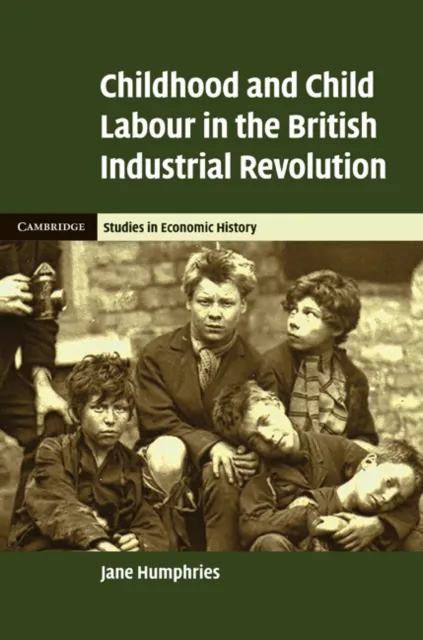
The Economics Of Child Labor During The British Industrial Revolution

Children and Child Labor
Children have worked for centuries and continue to work. The history of the economic development of Europe and North America includes numerous instances of child labor. Manufacturers in England, France, Belgium, Germany, and Prussia as well as the United States used child labor during the initial stages of industrialization. In addition, child labor prevails currently in many industries in the Third World.
Economic Context and Theoretical Model
This book examines the explanations for child labor in an economic context. A model of the labor market for children is constructed using the new economics of the family framework to derive the supply of child labor and the traditional labor theory of marginal productivity to derive the demand for child labor. The model is placed into a historical context and is used to test the existing supply-and-demand-induced explanations for an increase in child labor during the British Industrial Revolution.
Historical Evidence and Technological Innovation
Evidence on the extent of children's employment, their specific tasks, and trends in their wages from the textile industry and mining industry is used to support the argument that it was technological innovation which created a demand for child labor. Certain mechanical inventions and process innovations increased the demand for child labor in three ways: increasing the number of assistants needed; increasing the substitutability between children and adults, and creating work situations that only children could fill.
Specific innovations in the production of textiles and in the extraction of coal, copper, and tin are highlighted to show how they favored the use of child workers over adult workers.
Current Situations and Conclusions
The book concludes with a look at the current situations in developing countries where child labor is prevalent. Considerable insight is gained on the role of child labor in economic development when this historical model is applied to the contemporary situation.