£127.00
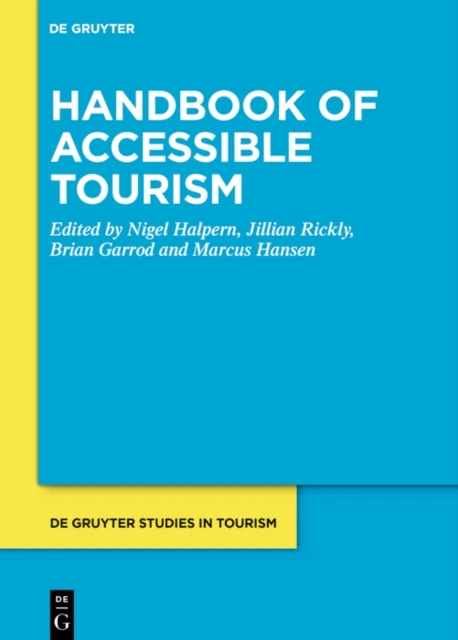
Handbook of Accessible Tourism

The Handbook of Accessible Tourism
The Handbook of Accessible Tourism is a crucial resource addressing the need for accessibility in the tourism industry, offering insights, theoretical foundations, and practical strategies to make tourism more accessible. Combining conceptual and empirical work, the handbook spans various components of the tourism system, considers the experiences of people with different accessibility requirements, and covers a range of geographical settings. It identifies gaps in current knowledge and provides recommendations for future research and innovation, encouraging continuous improvement in accessible tourism.
Featuring 35 chapters, the handbook is organised into three parts:
Foundations of accessible tourism
Explores the evolution of accessible tourism; integrates concepts like leisure constraints theory; covers institutional frameworks, sustainability, information and communications, functionality, disability mobilities, support for carers and friends, and human-animal relations.
Accessible destinations and tourism experiences
Examines practical aspects of making tourism accessible, emphasising interdisciplinary collaboration, stakeholder engagement, and universal design; includes case studies highlighting challenges, opportunities, and the role of technology.
Designing for accessibility
Focuses on making tourism accessible through universal design, transition design, cognitive work analysis, service design, technology, and stakeholder collaboration; addresses the needs of different groups, specific tourism sectors, and the importance of education and training.
Crucial resource addressing the need for accessibility in the tourism industry
Offers insights, theoretical foundations, and practical strategies to make tourism more accessible
Combines conceptual and empirical work that spans various components of the tourism system
Considers the experiences of people with different accessibility requirements, and covers a range of geographical settings
Includes case studies highlighting challenges, opportunities, and the role of technology
Identifies gaps in current knowledge and provides recommendations for future research and innovation, encouraging continuous improvement in accessible tourism