£48.99
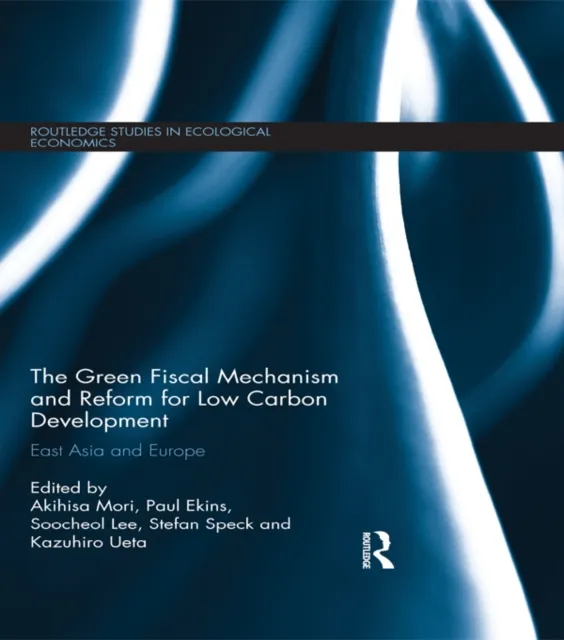
Green Fiscal Mechanism and Reform for Low Carbon Development
East Asia and Europe

Overview of Green Fiscal Reform in East Asia
This book reviews how far East Asian nations have implemented green fiscal reform, and show how they can advance carbon-energy tax reform to realize low-carbon development, with special reference to European policy and experience.
Implementation Challenges and Institutional Context
East Asian nations are learning European experiences to adopt them in their political, economic and institutional contexts. However, implementation has been slow in practice, partly due to low acceptability that comes from the same concerns as in Europe, and partly due to weak institutional arrangements for the reform. The slow progress in the revenue side turns our eyes on expenditure side: how East Asian nations have increased environmental-related expenditures, and how far they have greened sectorial expenditures. This "lifecycle" assessment of the fiscal reform, coupled with the assessment of the institutional arrangement constitutes the features of this book.
Regional Perspectives and Country Variations
The book helps to provide overall picture of green fiscal reform and carbon-energy tax reform in the East Asian region. The region has a variety of countries, from lowest income to high-income nations. Nations have different interests in substance and barriers for reform. This book covers recent development of environmental fiscal reform and carbon-energy taxation in wider nations in the region, including South Korea, Taiwan, Thailand, Vietnam, Indonesia and Japan. In addition, the book's holistic view helps to understand why a specific nation has interest and concern on some aspects of the reforms.