£2.22
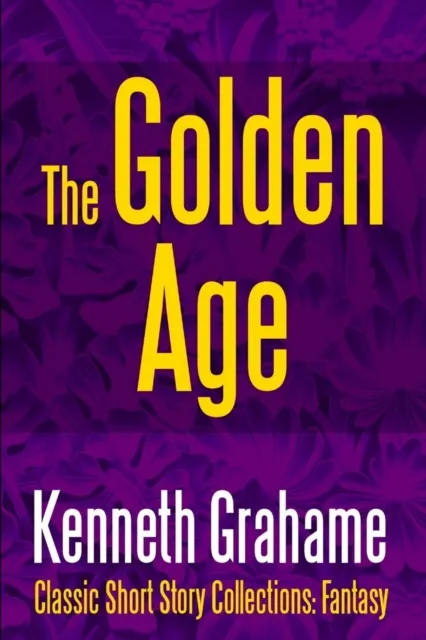
Golden Age

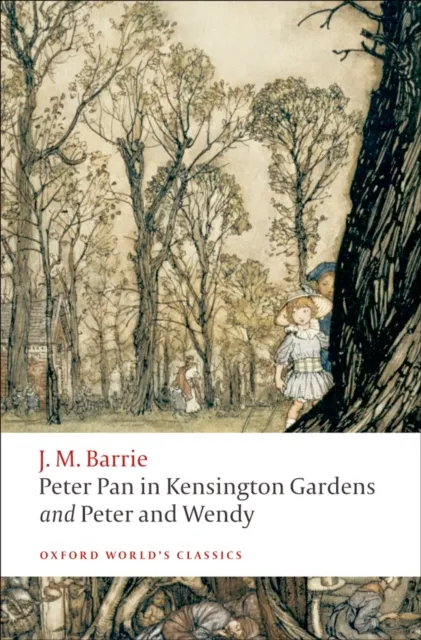
Grahame’s reminiscences are notable for their conception “of a world where children are locked in perpetual warfare with the adult ‘Olympians’ who have wholly forgotten how it feels to be young”--a theme later explored by J. M. Barrie and other authors.
The Golden Age is a collection of reminiscences of childhood, written by Kenneth Grahame and first published in book form in 1895, by The Bodley Head in London and by Stone & Kimball in Chicago. The Prologue and six of the stories had previously appeared in the National Observer, the journal then edited by William Ernest Henley. Widely praised upon its first appearance – Algernon Charles Swinburne, writing in the Daily Chronicle,
called it "one of the few books which are well-nigh too praiseworthy
for praise" – the book has come to be regarded as a classic in its
genre.
Typical of his culture and his era, Grahame casts his reminiscences in imagery and metaphor rooted in the culture of Ancient Greece; to the children whose impressions are recorded in the book, the adults in their lives are "Olympians", while the chapter titled "The Argonauts" refers to Perseus, Apollo, Psyche, and similar figures of Greek mythology. Grahame''s reminiscences, in The Golden Age and in the later Dream Days (1898),
were notable for their conception "of a world where children are locked
in perpetual warfare with the adult ''Olympians'' who have wholly
forgotten how it feels to be young" – a theme later explored by J.M. Barrie and other authors. (Wikipedia)
Kenneth Grahame
(8 March 1859 – 6 July 1932) was a Scottish writer, most famous for The Wind in the Willows (1908), one of the classics of children''s literature. He also wrote The Reluctant Dragon; both books were later adapted into Disney films, which are The Adventures of Ichabod and Mr. Toad and The Reluctant Dragon.