£44.99
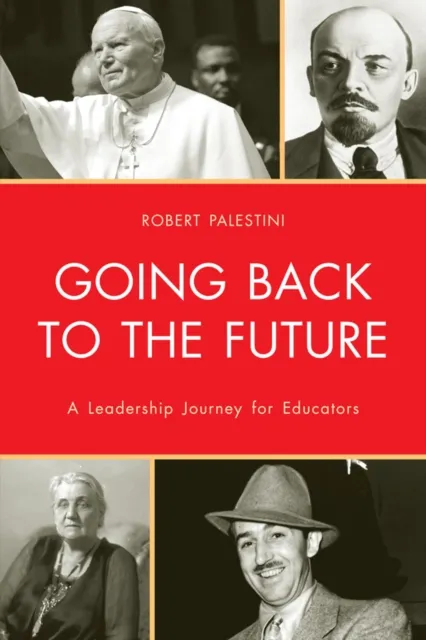
Going Back to the Future
A Leadership Journey for Educators

Introduction
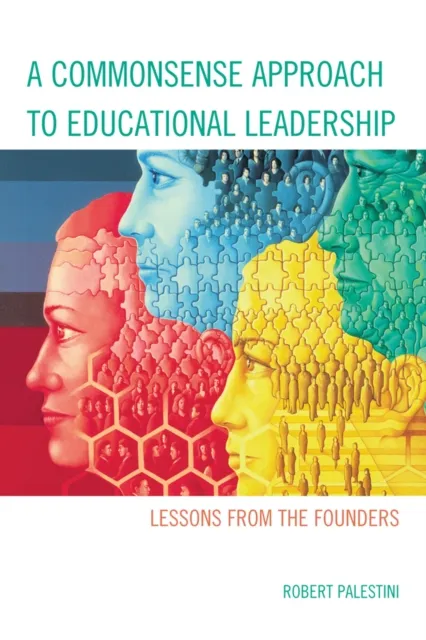
It was Edmund Burke, the British Statesman and philosopher, who said that those who don''t know history are destined to repeat it. In this book, at least as far as educational leadership is concerned, Robert Palestini helps ensure that we do not fall into the trap of ignoring history.
Leadership Behavior and Theory
Dr. Palestini rightly points out that effective leaders have been utilizing the same leadership behavior for centuries. He uses this evidence to support the perennial and lasting impact of situational leadership theory which posits that no single way of leading works in all situations. Rather, appropriate leadership behavior depends on the circumstances at a given time. For centuries effective managers have been diagnosing the situation, identifying the leadership style or behavior that will be most effective, and then determining whether they can implement the required style.
Historical Leaders and Impact
At the turn of the last century, the editors of Life Magazine identified the 100 leaders who they believed had the most impact of the global society during the second millennium. Using this list as a backdrop, Palestini chose ten of the twentieth century individuals on the list to explore what it was about their respective leadership behavior that allowed them to have such a significant and lasting impact on our society.
Lessons from the Past
When we examine the leadership behavior of the ten great leaders profiled in this book, we will most certainly find that the most effective of them operated out of all five leadership frames—the lesson learned being that if one wishes to hone one''s current leadership skills or become a future leader, one can learn to do so by reflectively looking to the leaders of the past.