£7.79
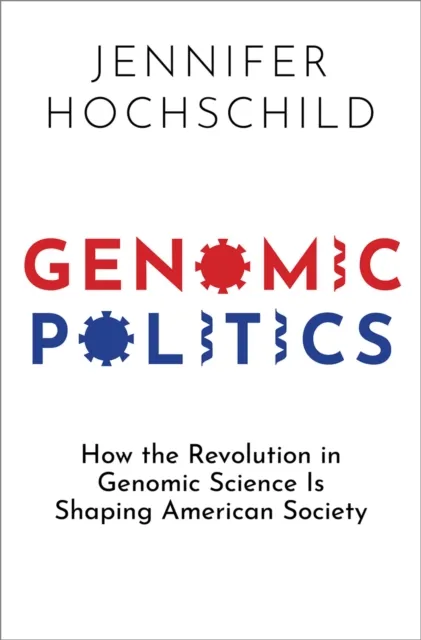
Genomic Politics
How the Revolution in Genomic Science Is Shaping American Society

Introduction
A groundbreaking analysis of how the genomic revolution is transforming American society and creating new social divisions—some along racial lines—that promise to fundamentally shape American politics for years to come. The emergence of genomic science in the last quarter century has revolutionized medicine, the justice system, and our very understanding of who we are. We use genomics to determine guilt and exonerate the convicted; devise new medicines; test embryos; and discover our ethnic and national roots. One might think that, given these advances, most would favor the availability of genomic tools.
Yet as Jennifer Hochschild explains in More Science, Less Fear?, the uses of genomic science are both politically charged and hotly contested. The political divisions around genomics do not follow the usual left-right ideological divides that dominate most of American politics.
Controversial Innovations
Through four controversial innovations resulting from genomic science—genetically modified medicines that target African-Americans, who are demographically more susceptible to heart disease; the use of DNA evidence in the criminal justice system; the current ancestry craze; and the use of genetic tests in prenatal exams—Hochschild reveals how the phenomenon is polarizing America in novel ways.
Advocates of genomic science argue that these applications will make life better, but their opponents respond by pointing out the potential for misuse—from racial profiling to "selecting out" fetuses that gene tests show to have conditions like Down's Syndrome.
Central Questions and Conclusion
Hochschild's central message is that the divide hinges on answers to two questions: How significant are genetic factors in explaining human traits and behaviors? And what is the right balance between risk acceptance and risk avoidance for a society grappling with innovations arising from genomic science?
A deeply researched and original analysis of the politics surrounding one of the signal issues of our times, this is essential reading for anyone interested in how the genetics revolution is reshaping society.