£119.50
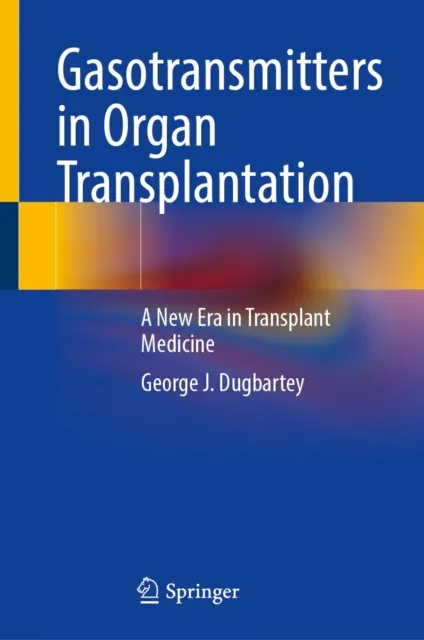
Gasotransmitters in Organ Transplantation
A New Era in Transplant Medicine

Overview of Gasotransmitters in Organ Transplantation
This book covers recent pre-clinical and clinical developments in gasotransmitters (nitric oxide, carbon monoxide and hydrogen sulfide) in all transplantable solid organs – kidney, heart, lung, liver, pancreas and intestine. Gasotransmitters are a class of small endogenously produced gaseous signaling molecules that play important roles in cellular homeostasis and impact physiological and pathophysiological situations. Recently, these gasotransmitters have emerged as potent cytoprotective mediators, possessing therapeutic properties that enable them exhibit their intracellular signaling functions. Hence, alterations in their physiological levels have been associated with various pathologies including cold ischemia-reperfusion injury (IRI) in organ transplantation.
Therapeutic Strategies and Book Structure
In the context of organ transplantation, a novel therapeutic strategy that is being investigated involves administration of these gasotransmitters to the organ donor or recipient before or after transplantation, or supplementation of standard preservation solution with gasotransmitters during organ graft preservation to mitigate transplant-induced IRI. The book is divided into three parts for easier access: Hydrogen Sulfide in Organ Transplantation, Carbon Monoxide in Organ Transplantation, and Nitric Oxide in Organ Transplantation.
Recent Advances and Clinical Relevance
The proposed book presents recent advances in organ graft protection mediated by gasotransmitters against warm and cold IRI in preclinical models of organ transplantation and some selected clinical cases, and seeks to lay the foundation for future clinical applications of these gases. The book is topical and timely, and will serve as a good resource for both educational and didactic purposes in transplant patient care and other aspects of clinical medicine.