£79.50
Fundamentals of the Radiolocation and Radionavigation

Principles of Operation
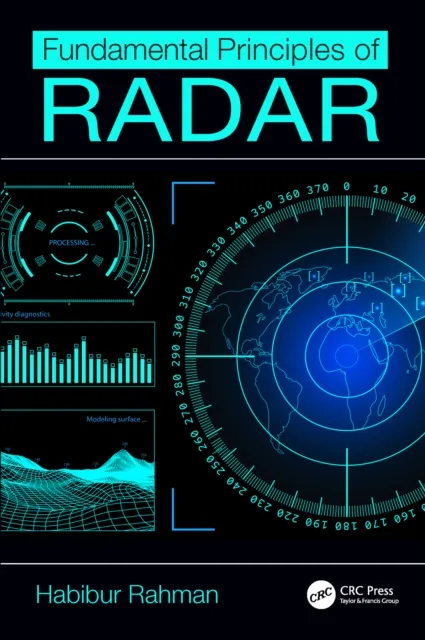
The book presents principles of operation of radar and radionavigation systems. The group of radar systems includes: primary and secondary radiolocations, bistatic and multistatic systems. They are illustrated with relevant examples of calculation and applications.
Range and Signal Processing
The issues of increasing the range of the radar systems are presented together with the matched filtering of the used signals. Other discussed issues are methods for eliminating interfering signals and researching methods of 3D space.
Monopulse Radiolocation
Various methods of the monopulse radiolocation are presented in Chapter 12.
Radionavigation Systems
In Chapters 13–18 terrestrial and satellite radionavigation systems are under discussion. The terrestrial systems are: Loran C, Decca Navigator and Omega. The TRANSIT is an example of a hyperbolic satellite system.
Satellite and Differential Systems
The stadiometric systems GPS, GLONASS, GALILEO, BeiDou, IRNSS and QZSS are discussed together with differential systems augmenting them.
Landing Support Systems
The ILS, MLS and TLS supporting the landing of aircrafts are discussed in Chapter 17. The prospects for replacing them with satellite systems augmented by appropriate reference ground-based stations (GBAS) are also analyzed.
Aviation Beacons and Ranging Devices
Various beacons and ranging devices used in aviation are described in Chapter 18.
Intended Audience
This book is intended primarily for students and engineers interested in radar, radionavigation and aerospace engineering.