£40.00
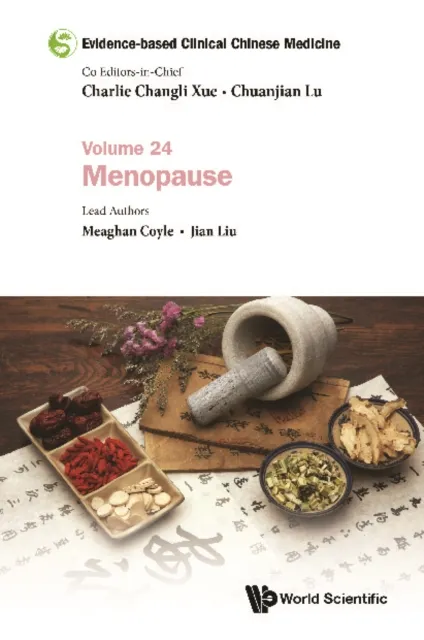
Evidence-based Clinical Chinese Medicine - Volume 24: Menopause

Menopausal Symptoms and Complementary Therapies
Menopausal symptoms can significantly reduce women's quality of life, and may last for several years. Women who seek relief from symptoms often turn to complementary therapies, including Chinese medicine.
The Evidence-based Clinical Chinese Medicine Series
The latest in the Evidence-based Clinical Chinese Medicine series uses a whole evidence approach to summarise the management of menopausal symptoms with Chinese medicine.
Chapter Summaries
The first chapter describes the conventional medicine understanding of menopause, including common signs and symptoms, diagnosis and treatment. The Chinese medicine conceptualisation of menopause, both in contemporary and classical literature, is reviewed and discussed.
The evidence from clinical studies is reviewed using internationally accepted scientific methods. Systematic reviews describe the treatments used in clinical studies, and analyse the effectiveness of Chinese herbal medicines, acupuncture and related therapies, other Chinese medicine therapies, and combinations of Chinese medicine therapies.
Experimental studies that describe the potential mechanisms of action of key herbs are summarised. The final chapter synthesises the current evidence and offers suggestions for contemporary clinical practice and future research.
Intended Audience
This book is a handy desktop reference for both clinicians and students of Chinese and integrative medicine. It provides a comprehensive synthesis of both traditional and contemporary knowledge that can inform clinical decision-making.