£45.99
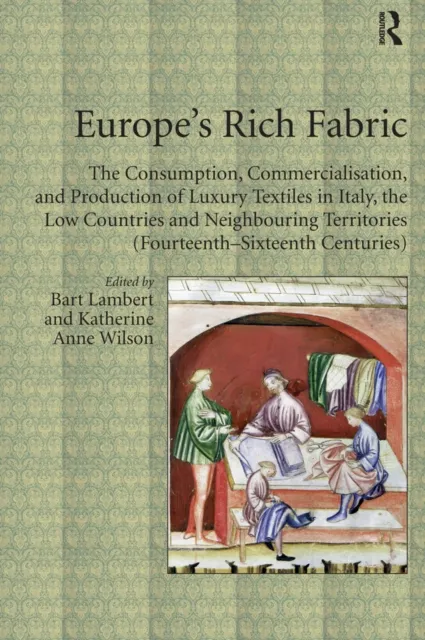
Europe's Rich Fabric
The Consumption, Commercialisation, and Production of Luxury Textiles in Italy, the Low Countries and Neighbouring Territories (Fourteenth-Sixteenth Centuries)

Introduction
Throughout human history luxury textiles have been used as a marker of importance, power and distinction. Yet, as the essays in this collection make clear, the term luxury is one that can be fraught with difficulties for historians.
Scope and Focus
Focusing upon the consumption, commercialisation and production of luxury textiles in Italy and the Low Countries during the late medieval and early modern period, this volume offers a fascinating exploration of the varied and subtle ways that luxury could be interpreted and understood in the past.
Journey Through the Volume
Beginning with the consumption of luxury textiles, it takes the reader on a journey back from the market place, to the commercialisation of rich fabrics by an international network of traders, before arriving at the workshop to explore the Italian and Burgundian world of production of damasks, silks and tapestries.
The first part of the volume deals with the consumption of luxury textiles, through an investigation of courtly purchases, as well as urban and clerical markets, before the chapters in part two move on to explore the commercialisation of luxury textiles by merchants who facilitated their trade from the cities of Lucca, Florence and Venice.
The third part then focusses upon manufacture, encouraging consideration of the concept of luxury during this period through the Italian silk industry and the production of high-quality woollens in the Low Countries.
Conclusion
Graeme Small draws the various themes of the volume together in a conclusion that suggests profitable future avenues of research into this important subject.