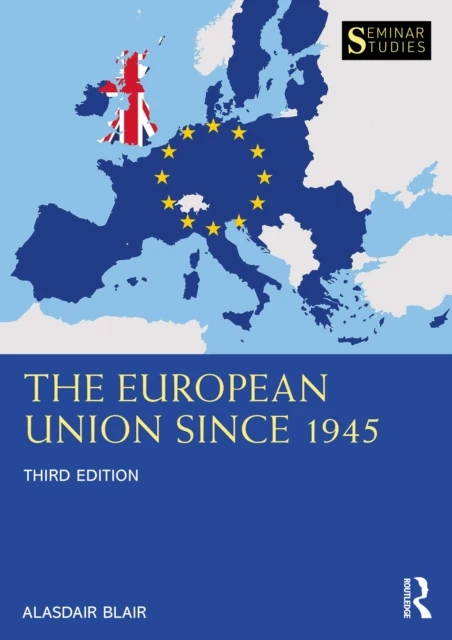
£7.99
Europe Nobody Voted For: Integration's Unintended Consequences
How Bureaucrats, Treaties, and Economic Crises Shaped the EU Beyond Democratic Intention, 1951-2025

Introduction
The European Union emerged from post-war idealism as a peace project, but its evolution into a supranational bureaucracy governing 450 million people happened largely outside public debate. This book traces how the EU developed from the 1951 Coal and Steel Community through Maastricht, the euro crisis, and Brexit, examining the gap between integration's architects and the citizens who experienced its consequences through currency changes, labor migration, austerity policies, and sovereignty debates.
Research and Perspectives
Drawing on EU Commission documents, national parliamentary records, economic data, and testimonies from officials, workers, and activists across member states, the narrative follows integration through the experiences of those who built and contested it: French technocrats designing institutional structures, Greek pensioners facing troika-imposed cuts, Polish plumbers becoming symbols of labor mobility fears, and British voters rejecting a project they never felt consulted about.
Key Themes
The book explores how the euro's design flaws created asymmetric crisis responses that protected creditor nations while punishing southern Europe, how Schengen's open borders functioned until migration flows revealed absent coordination mechanisms, and how democratic deficits decisions made by unelected commissioners fueled populist backlash across the continent. It examines the tension between economic integration that benefits capital mobility and social protection that requires national sovereignty.
Relevance
Relevant for readers interested in how supranational institutions develop beyond original mandates, how economic policy creates political consequences, and why technocratic solutions often generate the democratic resistance they sought to avoid.