£27.00
Eugenics and Protestant Social Reform
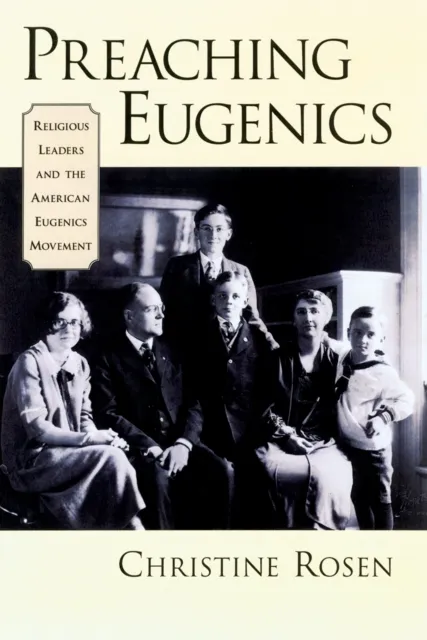
Hereditary Science and Religion in America, 1860–1940

The Eugenics Movement and Its Cultural Context
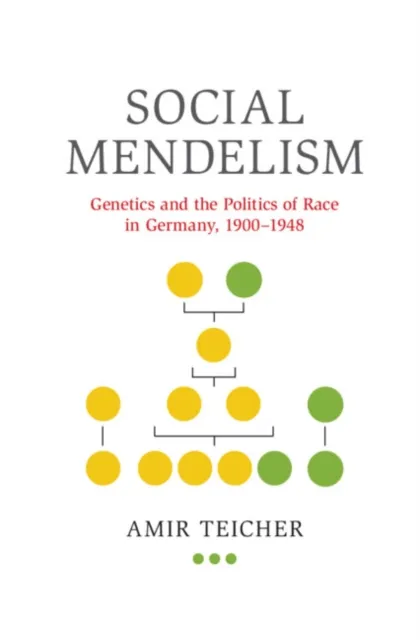
The eugenics movement prior to the Second World War gave voice to the desire of many social reformers to promote good births and prevent bad births. Two sources of cultural authority in this period, science and religion, often found common cause in the promotion of eugenics. The rhetoric of biology and theology blended in strange ways through a common framework known as degeneration theory.
Degeneration Theory and Its Influence
Degeneration, a core concept of the eugenics movement, served as a key conceptual nexus between theological and scientific reflection on heredity among Protestant intellectuals and social reformers in the late nineteenth century and the early twentieth century.
Social Control and Negative Eugenics
Elite efforts at social control of the allegedly "unfit" took the form of negative eugenics. This included marriage restrictions and even sterilization for many who were identified as having a suspect heredity. Speculations on heredity were deployed in identifying the feeble-minded, hereditary criminals, hereditary alcoholics, and racial minorities as presumed hindrances to the progress of civilization.
Objections and Human Rights Violations
A few social reformers trained in biology, anthropology, criminology, and theology eventually raised objections to the eugenics movement. Still, many thousands of citizens on the margins were labeled as defectives and suffered human rights violations during this turbulent time of social change.