£279.99
Ethnobotany of the Mountain Regions of Eastern Europe
Carpathians

Natural resources and associated biological diversity
provide the basis of livelihood for humans, particularly in the rural areas and mountain regions around the world. Over centuries, indigenous peoples, traditional societies, and local communities have developed their own specific knowledge regarding plant use, management, and conservation. The history of plant use by humans as food and to treat diverse ailments dates back to ancient civilizations. Even though the advent of allopathic medicine has somehow minimized the role of medicinal plants in favor of synthetic drugs, a number of modern drug discoveries have been based on medicinal plants used by indigenous peoples. Ethnobiology is the burgeoning interdisciplinary scientific field, which covers all types of interactions between plants and people, and Eastern Europe is recognized as a plant diversity hot spot.
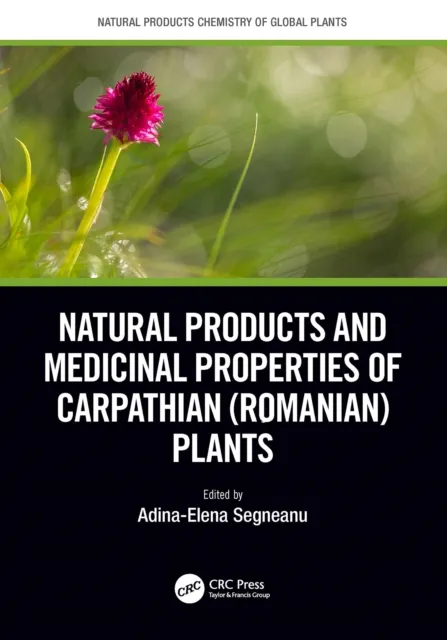
This new Major Reference Work on the Ethnobotany of Mountain Regions of Eastern Europe: Carpathians
covers in detail the mountains and vallies of this region, which are known to be rich in unique medicinal and food plant species. Local communities residing in the mountain regions of Eastern Europe possess unique knowledge of surrounding resources, which is the result of many years of interaction with and selection of the most desirable and pervasive plant species present. In this context this major reference work provides comprehensive information on cross-culture variation in the traditional uses of plants as food, medicine, and for cultural purposes among these diverse communities residing in Eastern Europe. The key areas of focus include plant diversity in the Carpathians, cross cultural variation in traditional uses of plant species by these communities, high-value medicinal and food plant species, and threats and conservation status of plant species and traditional knowledge.