£7.79
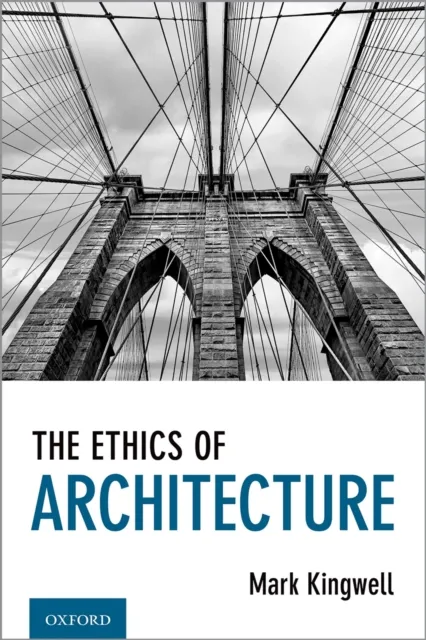
Ethics of Architecture

Overview
A lively and accessible discussion of how architecture functions in a complex world of obligation and responsibility, with a preface offering specific discussion of architecture during and after the COVID-19 pandemic.
Ethical Obligations of Architects
What are the special ethical obligations assumed by architects? Because their work creates the basic material conditions that make all other human activity possible, architects and their associates in building enjoy vast influence on how we all live, work, play, worship, and think. With this influence comes tremendous, and not always examined, responsibility.
Scope of Ethical Issues
This book addresses the range of ethical issues that architects face, with a broad understanding of ethics. Beyond strictly professional duties - transparency, technical competence, fair trading - lie more profound issues that move into aesthetic, political, and existential realms.
Key Questions
Does an architect have a duty to create art, if not always beautiful art? Should an architect feel obliged to serve a community and not just a client? Is justice a possible orientation for architectural practice? Is there such a thing as feeling compelled to shelter being in architectural work?
Architectural Ethics
By taking these usually abstract questions into the region of physical creation, the book attempts a reformulation of architectural ethics as a matter of deep reflection on the architect's role as both citizen and caretaker.
Influential Thinkers and Makers
Thinkers and makers discussed include Le Corbusier, Martin Heidegger, Lewis Mumford, Rem Koolhaas, Jane Jacobs, Arthur Danto, and John Rawls.