£45.00
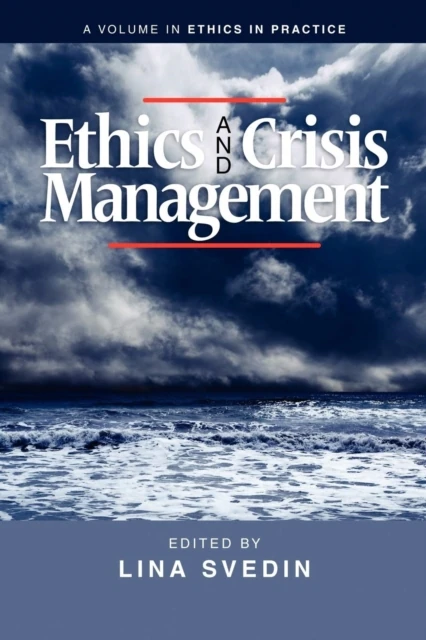
Ethics and Crisis Management

Introduction
The daily process of public service provision and administration is filled with value judgments and value trade-offs, and the safeguarding of just and fair processes is key to the public's trust in governing institutions. In crises, public decision-makers face complex ethical judgments under great uncertainty, time pressure, and heightened public scrutiny. A lack of attention to the ethical dimensions of crises has led decision-makers to long-shadow crises that never reach closure. Furthermore, crises triggered by unethical conduct by public officials steadily feed people's cynicism about politicians and bureaucracy. The fact that decision-makers often are judged on how they dealt with ethical issues in crises further underlines the importance of this topic.
Little scholarly attention had been paid to how ethics play into and are dealt with in situations when they matter most - in crises. In order to improve government performance, we need to analyze the ethical dilemmas and normative challenges that face practitioners in crises. This book meets this challenge by presenting a public policy framework for analyzing the ethical dilemmas in crises and introduces ten empirical chapters written by prominent public administration and crisis management scholars. The cases reviewed include Abu Ghraib, the 9/11 Commission, the 2008 Financial Crisis, and the Memorial Hospital Tragedy during Hurricane Katrina.
Building off the empirical focus on inherent ethical challenges in crises and actor ethics in evaluation and judgment, the concluding chapter outlines important lessons about criteria for crisis decision-making and strategies, the poisoned apple of bureaucratic discretion, and the nature of post-crisis evaluations.
The book is geared toward students, scholars, and practitioners concerned with public management, public sector ethics, public policy, crisis management, and the implications of these factors on business and corporate crisis management.