£26.99
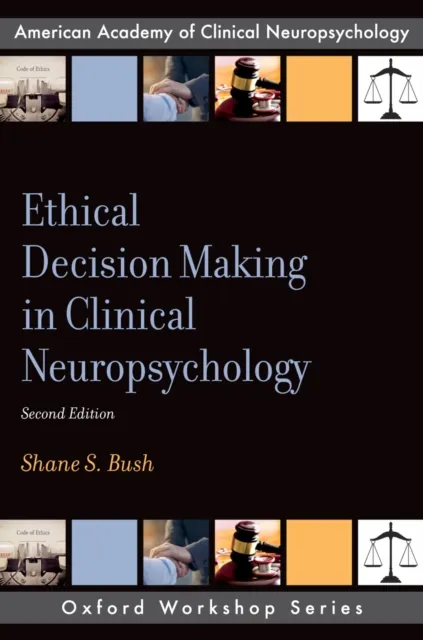
Ethical Decision Making in Clinical Neuropsychology

Introduction
The ability to anticipate, avoid, and resolve ethical conflicts in neuropsychology is a dynamic process that must be developed and maintained over time. Ethics codes and professional guidelines are drafted and updated, changes in clinical practice occur, and new laws are implemented. To practice in a manner consistent with the highest ethics principles, neuropsychologists must be able to integrate the evolving ethical and legal requirements into their professional activities.
Purpose of the Second Edition
The primary purpose of this 2nd edition is to review ethical guidelines and literature relevant to clinical neuropsychology that have been published since the first edition of this book was published a decade ago.
Recent Publications and Guidelines
A number of important publications have emerged since the first edition was published, including new Specialty Guidelines for Forensic Psychology, Standards for Educational and Psychological Testing, and position statements/practice guidelines by APA (e.g., Assessment of Older Adults with Diminished Capacity, co-authored with ABA) and other professional organizations (e.g., AACN, NAN) that are directly relevant to neuropsychological practice.
Contributions to Ethical Practice
In addition, scholarly publications have contributed knowledge to ethical practice in general (e.g., Knapp's & VandeCreek's work on positive ethics), which is relevant for, and should be applied to, neuropsychological practice. Additionally, book chapters on ethics in subspecialty areas (e.g., pediatric and geriatric neuropsychology, mTBI, Veterans) have advanced our understanding of ethical issues in neuropsychology and should be integrated into a new edition of the book.
Technological Advances and Ethical Challenges
Finally, advances in technology and increased use of technology in clinical neuropsychology bring ethical issues and challenges incorporated in the new edition of the book. Learning exercises and study questions at the end of the chapters help readers review the main points and check their learning progress.