£41.99
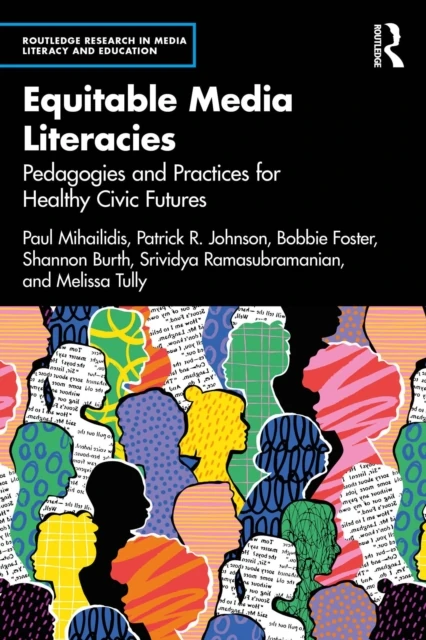
Equitable Media Literacies
Pedagogies and Practices for Healthy Civic Futures

Interrogating Core Assumptions in Media Literacy
Interrogating three core assumptions made within the field of media literacy—that media literacy practices empower individuals, support communities, and contribute to engaged citizenship within a democracy—this book presents a new framework for equitable media literacy practices.
Research and Framework
Using the results of a large-scale research project to interrogate these long-held assumptions and explore the connection between impactful media literacy practices and equity, the authors demonstrate the crucial need to shift the focus of media literacy practices from that of individual skill transfer to that of equity-driven community-oriented media practices.
Practical Models and Categories
They offer a clear framework for embracing equity and inclusion at the outset of media literacy intervention, focusing on the Six E's Framework, the Equitable Media Literacy Practice Model, and a Field Guide with the five categories for practice: Where Do I Stand, Who Cares, Imagining Inclusive Futures, With Community, and Where Do We Stand. Each category repositions media literacies with explicit focus on inclusion, justice, and the pursuit of equitable futures.
Target Audience
This book will appeal to students and scholars studying and researching in the space of media literacy, digital culture, social justice, and equity in media and communication studies departments and beyond, as well as those working at the educational and policy level around issues of media literacy, media education, and civic engagement.