£46.99
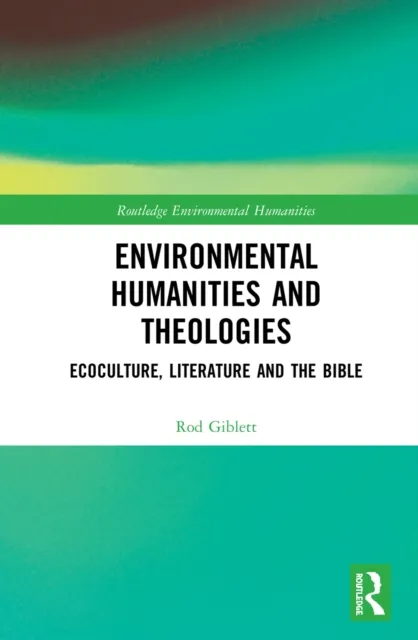
Environmental Humanities and Theologies
Ecoculture, Literature and the Bible

Many ways of thinking about and living with ‘the environment’ have their roots in the Bible and the Christian cultural tradition. Environmental Humanities and Theologies shows that some of these ways are problematic. It also provides alternative ways that value both materiality and spirituality.
Beginning with an environmentally friendly reading of the biblical story of creation, Environmental Humanities and Theologies goes on to discuss in succeeding chapters the environmental theology of wetlands, dragons and watery monsters (including crocodiles and alligators) in the Bible and literature. It then gives a critical reading of the environmental theology of the biblical book of Psalms. Theological concepts are found in the works of English writers of detective and devotional stories and novels, American nature writers and European Jewish writers (as succeeding chapters show). Environmental Humanities and Theologies concludes with an appreciation for Australian Aboriginal spirituality in the swamp serpent. It argues for the sacrality of marsh monsters and swamp serpents as figures of reverence and respect for living bio- and psycho-symbiotic livelihoods in bioregions of the living earth in the Symbiocene. This is the hoped-for age superseding the Anthropocene.
Environmental Humanities and Theologies is aimed at those who have little or no knowledge of how theology underlies much thinking and writing about ‘the environment’ and who are looking for ways of thinking about, being and living with the earth that respect and value both spirituality and materiality. It is a new text nurturing sacrality for the Symbiocene.