£36.99
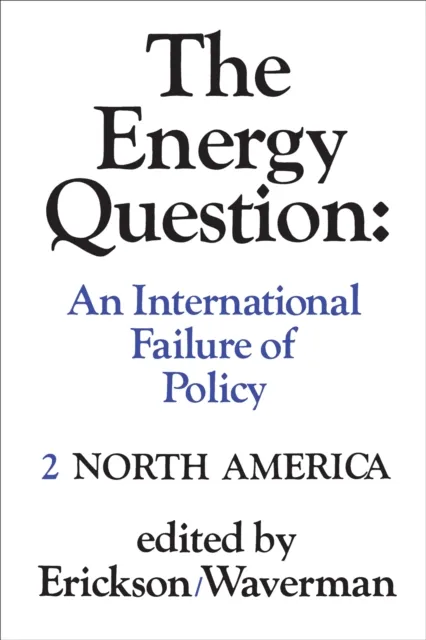
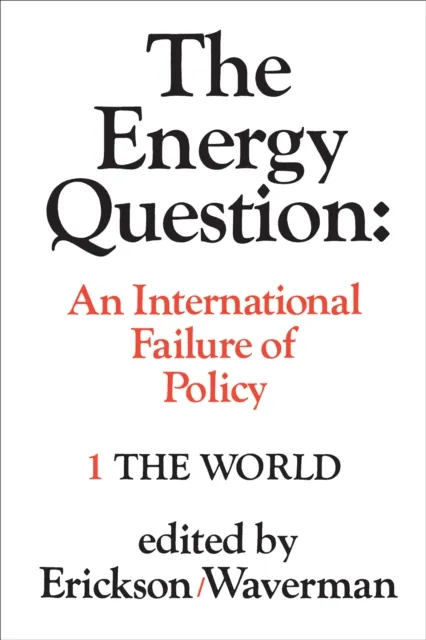
Energy Question Volume One: The World
An International Failure of Policy

Introduction
The so-called energy crisis that burst upon the world in 1973 was not easily understood by many people. It was neither the beginning of the end nor the first encounter by modern man with the natural result of his prodigality. These papers, collected in two volumes, from energy economists in the United States, Canada, and Britain all indicate that the crisis was and is a short-run problem caused by government action or inaction. The problem may be complex, but it was mishandled, particularly by the United States, in terms of government policy.
Causes of the Crisis
The rise in the price of, and the embargo on, oil came into being because of a successful producers' cartel outside North America; oil buyers — nations and companies — did not respond in kind but scurried around the world in separate planes in order to ensure supplies for themselves at any price. That price became many times the cost-of-production price, despite the fact that cool analysis reveals an increase in both production and reserves in most areas of the world. The shortage of refined oil products for consumers are attributable partly to the embargo, but also to a shortage of refineries and bottlenecks in transportation — some of which have been induced by government uncertainties over recent years. Proper government policies are now required.
Scope of the Volumes
The thirty-six papers in the two books treat a multitude of topics related to the question of energy as seen from the stance of the economist. All sources of energy are considered, as are the markets in major areas of the world; past policies are analysed, and future policies recommended. It is hoped that the volumes, giving the background to the energy problems of the immediate future and a menu of prescriptions for their solution, will interest businessmen, market analysts, and policy-makers as well as economists, teaching or learning, in many parts of the world.