£399.99
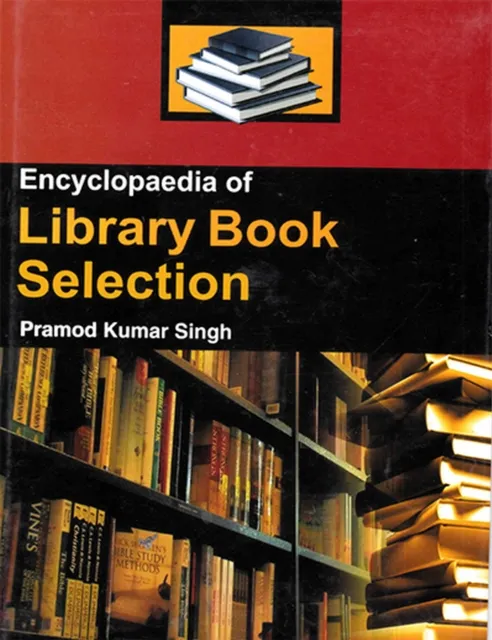
Encyclopaedia Of Library Book Selection

Introduction
The service rendered to a college by its library depends in no small part upon the adequacy of its book collection, and this in turn is dependent upon the policy of selection and acquisition. No single evaluative procedure available is entirely satisfactory, but a combination of several may be expected to produce a picture of the adequacy of the collection which is useful and consistent.
Measuring Adequacy
The most common measurement of adequacy is to check the library's holdings against standard lists of recommended books. There have been many of these lists in recent years, but for the college librarian, the most important are the Shaw List of books for college libraries; the Shaw List supplement; the Mohrhardt List of books for junior college libraries; and the checklists of reference books issued by the North Central and Southern Association accrediting agencies in connection with their accrediting procedures.
Limitations and Considerations
The limitations of these lists lie in the varying nature of college library book needs. It is quite obvious that these differ among institutions, and that in order to ascertain the adequacy of the library of a particular institution, the character and nature of the general educational program must be taken into account. The standard lists, supplemented by subject bibliographies in the fields of instruction taught in a given college, are commonly used in the college library's self-survey of resources and services.
Practical Application
The procedure followed by Mount Holyoke College Library is helpful and suggestive to colleges contemplating such a study. This book will prove beneficial to students, teachers, and researchers in the field of library science.