£15.60
EMUs A History

Historical Development of EMUs
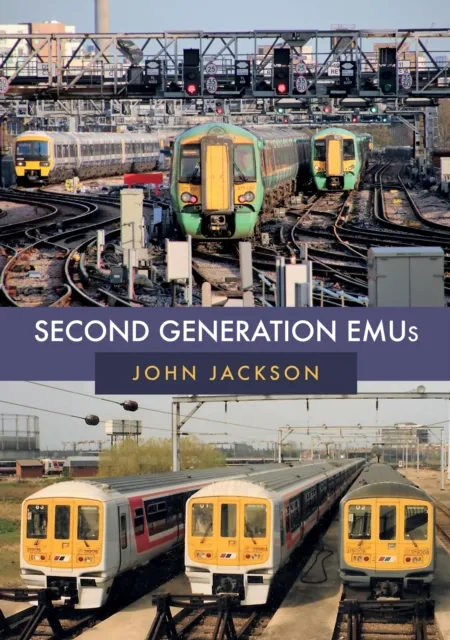
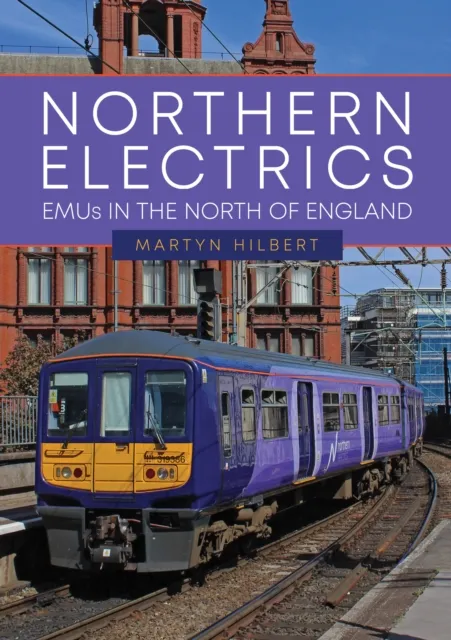
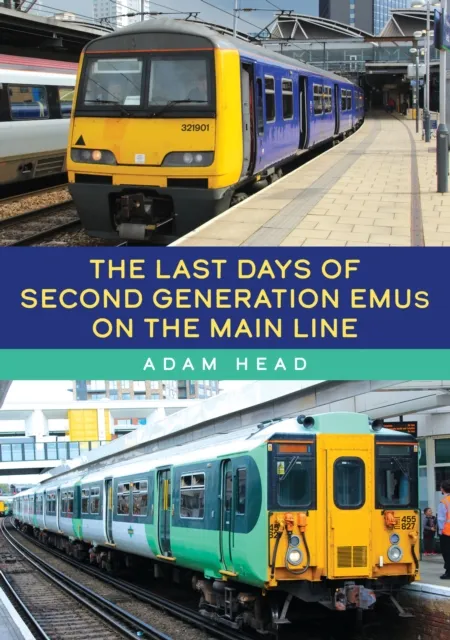
From nationalisation in 1948, British Railways built huge numbers of EMUs for suburban and short/medium-distance main line express duties, initially of pre-nationalisation design. In 1954 the Standard Mark 1 type was introduced, but was obsolete by the late 1960s. More EMUs were needed to replace life-expired pre-nationalisation sets still working as well as to provide for new electrification services that were planned. The result was a complete fresh start in design terms with Southern Regions’ 4-PEP design of 1971, from which several very successful classes were derived – the second generation. Second-generation EMUs cover a huge number of current services today.
As the 1990s dawned, change was in the air. The former British Railways workshops, already under the aegis of British Rail Engineering Limited, were to be sold and the privatisation of the entire BR network was looming. Before BREL was bought by ABB, they produced the first of the Networker design in 1991 – effectively the first of the third generation of EMUs. From then on, not only was the Networker produced in large numbers, but many other private concerns produced a variety of their own standard designs such as the Electrostar, Juniper or Desiro, and some that did not spawn any derivatives, such as Hunslet’s Class 323.