£51.99
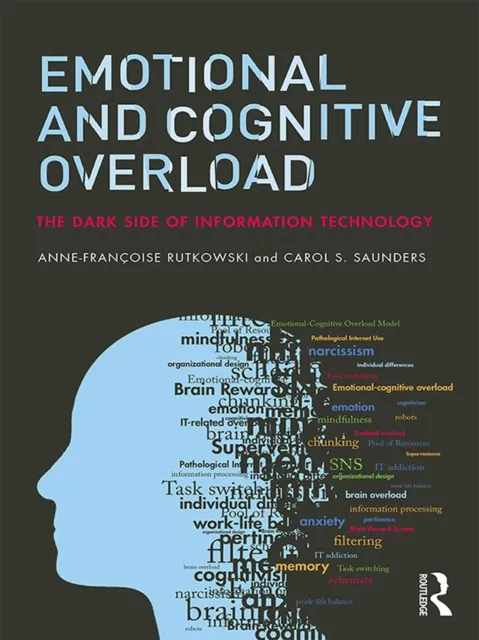
Emotional and Cognitive Overload
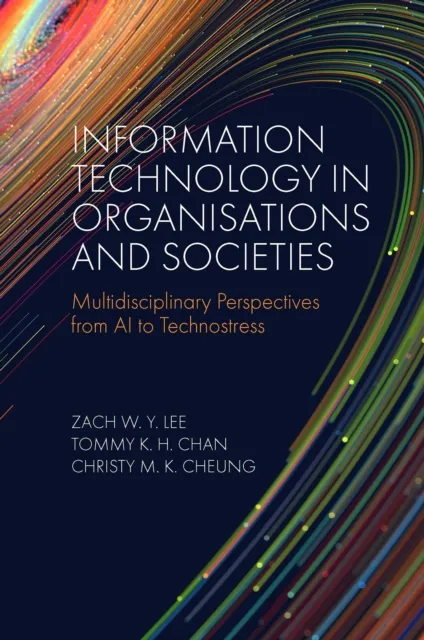
The Dark Side of Information Technology

Introduction
We live in a world of limitless information. With technology advancing at an astonishingly fast pace, we are challenged to adapt to robotics and automated systems that threaten to replace us. Both at home and at work, an endless range of devices and Information Technology (IT) systems place demands upon our attention that human beings have never experienced before, but are our brains capable of processing it all?
About the Book
In this important new book, an in-depth view is taken of IT's under-studied dark side and its dire consequences on individuals, organizations, and society. With theoretical underpinnings from the fields of cognitive psychology, management, and information systems, the idea of brain overload is defined and explored, from its impact on our decision-making and memory to how we may cope with the resultant technostress. Discussing the negative consequences of technology on work substitution, technologically induced work-family conflicts, and organizational design as well as the initiatives set up to combat these, the authors go on to propose measurement approaches for capturing the entangled aspects of IT-related overload. Concluding on an upbeat note, the book's final chapter explores emerging technologies that can illuminate our world when mindfully managed.
Conclusion
Designed to better equip humans for dealing with new technologies, supported by case studies, and also exploring the idea of IT addiction, the book concludes by asking how IT processes may aid rather than hinder our cognitive functioning. This is essential reading for anyone interested in how we function in the digital age.