£34.99
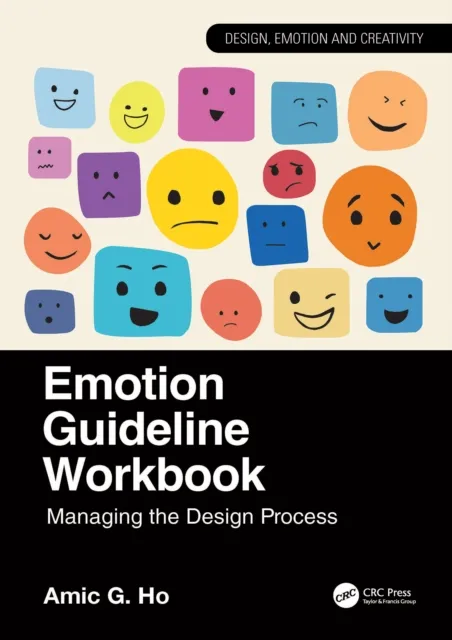
Emotion Guideline Workbook
Managing the Design Process

Manipulating the design process
Manipulating the design process can be challenging for junior design, art and creative students. Besides understanding the approaches to managing the design factors with logical thinking, they can lack experience in handling emotional changes and concerns and initiative factors during the design process. As a result, they struggle to practice design and need guidance for enhancing their decision-making, evaluation, judgment, and motivation.
Guiding principles and practical approaches
This book proposes a set of guiding principles with the intention of assisting the reader in regulating the emotional changes that occur throughout the design process. This book offers practical approaches to those who would like to incorporate emotion in their design processes, which contrasts with previous scholarly research that has mostly focused on the theoretical level. It provides guidance to the reader through the process of adapting to the emotional changes that may occur throughout the design process during their design studies. It contains a literature review, research methods and a discussion of the strengths and limitations. Featuring printable worksheets and additional tables to use as guidance, this highly practical text allows the reader to gain a full understanding of emotion in the design procedure through active involvement process.
The Emotion Guideline Workbook
The Emotion Guideline Workbook is perfect for design, art and creative students, as well as their instructors, researchers, and other learners who are interested in emotion-driven design. It will also appeal to students and academics in the fields of psychology and education.